

Evolve Blog
Insights on Pain, Movement and Integrated Wellness
Watch My Latest Videos

Back to School: Helping Your Child's Body Adjust to the New Term
Back to school means a big shift for growing bodies — more sitting, backpacks, growth spurts, and disrupted sleep. Osteopath Tom Smith shares what's really going on and some simple ways to help your child adjust to the new term.

Can Osteopathy Help with IBS?
IBS is usually managed through diet, medication, and lifestyle changes — but for some people, symptoms persist even after all the right steps. Here's how an osteopathic approach, focused on calming the nervous system and improving lymphatic drainage, can offer additional support alongside your existing care.

Weekend Gardener's Back: Why an Afternoon in the Garden Can Wreck Your Week
Heatwave weekends bring everyone out into the garden — and every year, the clinic sees the same spike in back and knee strains that follow. Here's why gardening catches people out, and how to avoid spending the week after in pain.

What's the Difference Between an Osteopath, Physiotherapist and a Chiropractor?
Osteopath, physiotherapist, or chiropractor — which one do you actually need? As an osteopath who originally trained toward physiotherapy and later worked in a chiropractic clinic, Tom breaks down the real differences in training, regulation, treatment style, and session length, so you can choose with confidence.
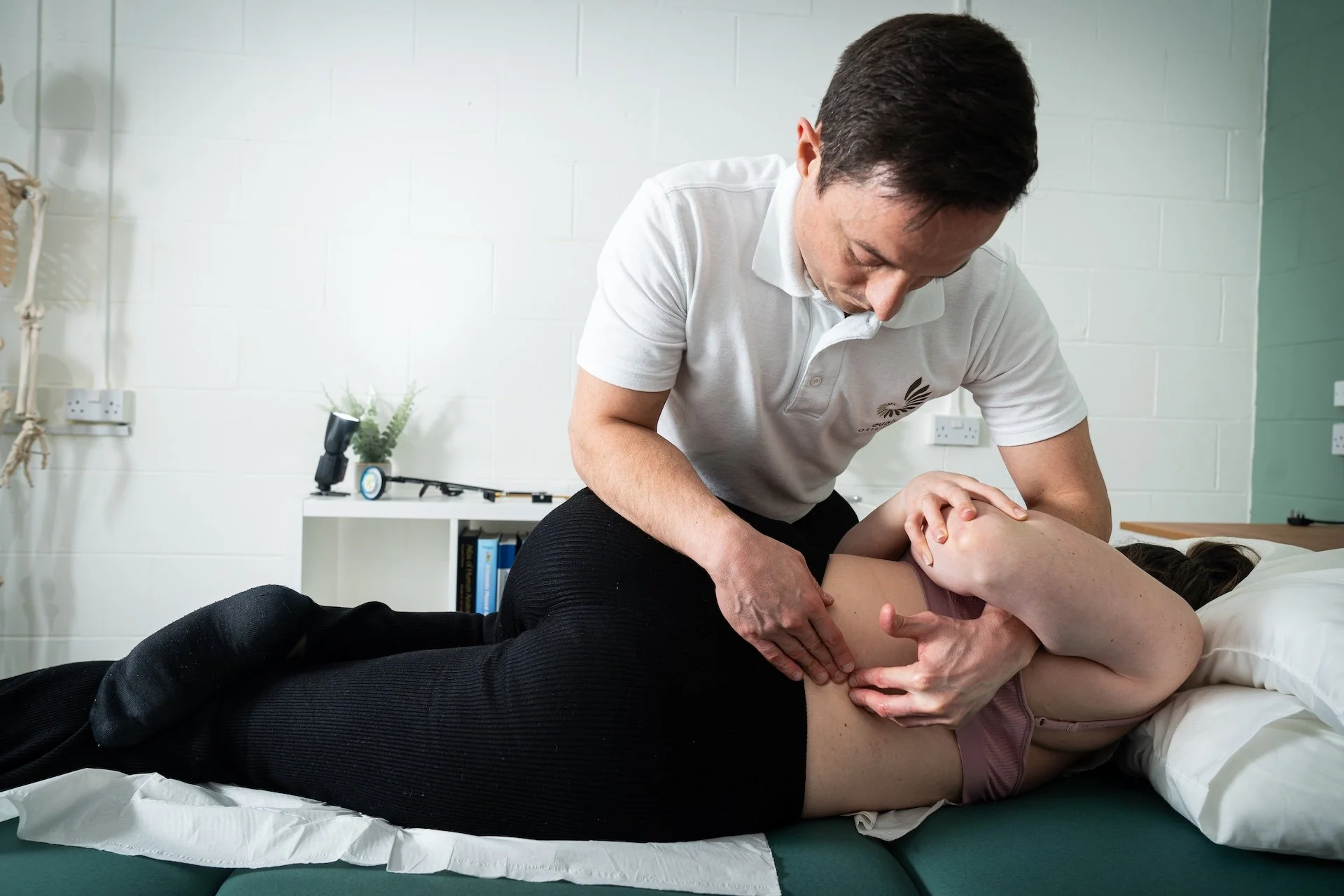
What Is The Crack With Spinal Manipulation?
Ever wondered what that "crack" during a treatment actually is? Spoiler: it's not your bones going back into place. In this post, we bust some of the biggest myths around spinal manipulation — what it really does, who it helps, and who should steer clear of it altogether.

Why Do I Wake Up With Morning Stiffness?
Do you wake up feeling stiff and creaky every morning? It's more common than you think — and the cause isn't always what you'd expect. From normal post-activity recovery to disc hydration, degenerative change, and inflammatory conditions that need proper investigation, morning stiffness can have very different origins. In this post, osteopath Tom Smith breaks down the key reasons it happens and what you can do about it.
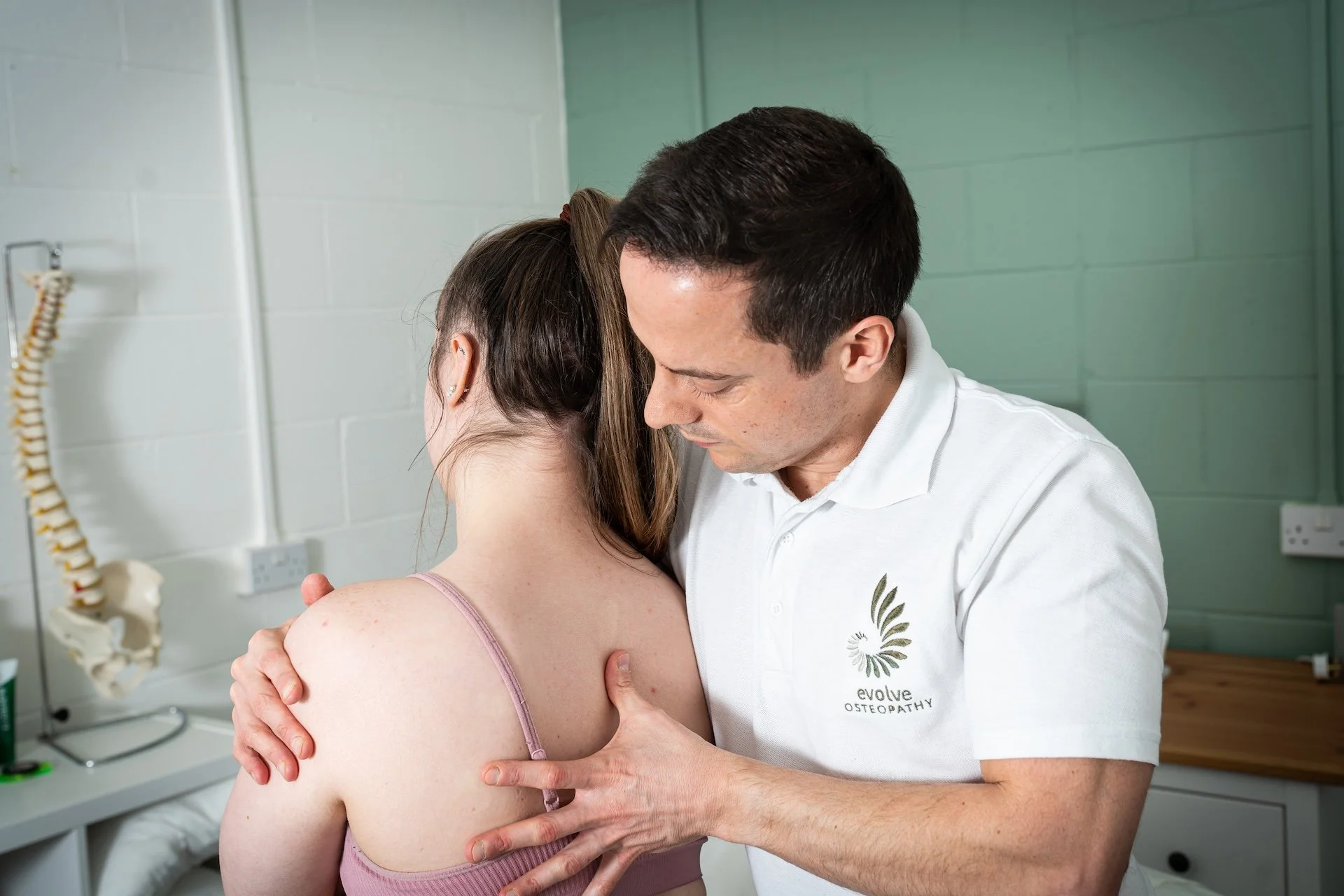
How Many Osteopathy Sessions Do I Need?
One of the most common questions I hear from new patients is: "How many sessions am I going to need?" It's a completely understandable thing to want to know — and the answer, truthfully, depends on a number of things. What I can offer you instead is a road map.
Every patient I see goes through three phases of care: a pain relief phase where we focus on getting you comfortable as quickly as possible; a corrective phase where we rebuild the foundations and address the root causes of the injury; and a wellness phase where the focus shifts to long-term health and prevention. Understanding where you are on that road — and why each phase matters — is what separates a short-term fix from a lasting result.
Because here's the thing: pain is often the last symptom to appear and the first to disappear. Just because you're feeling better, it doesn't mean the healing is done...
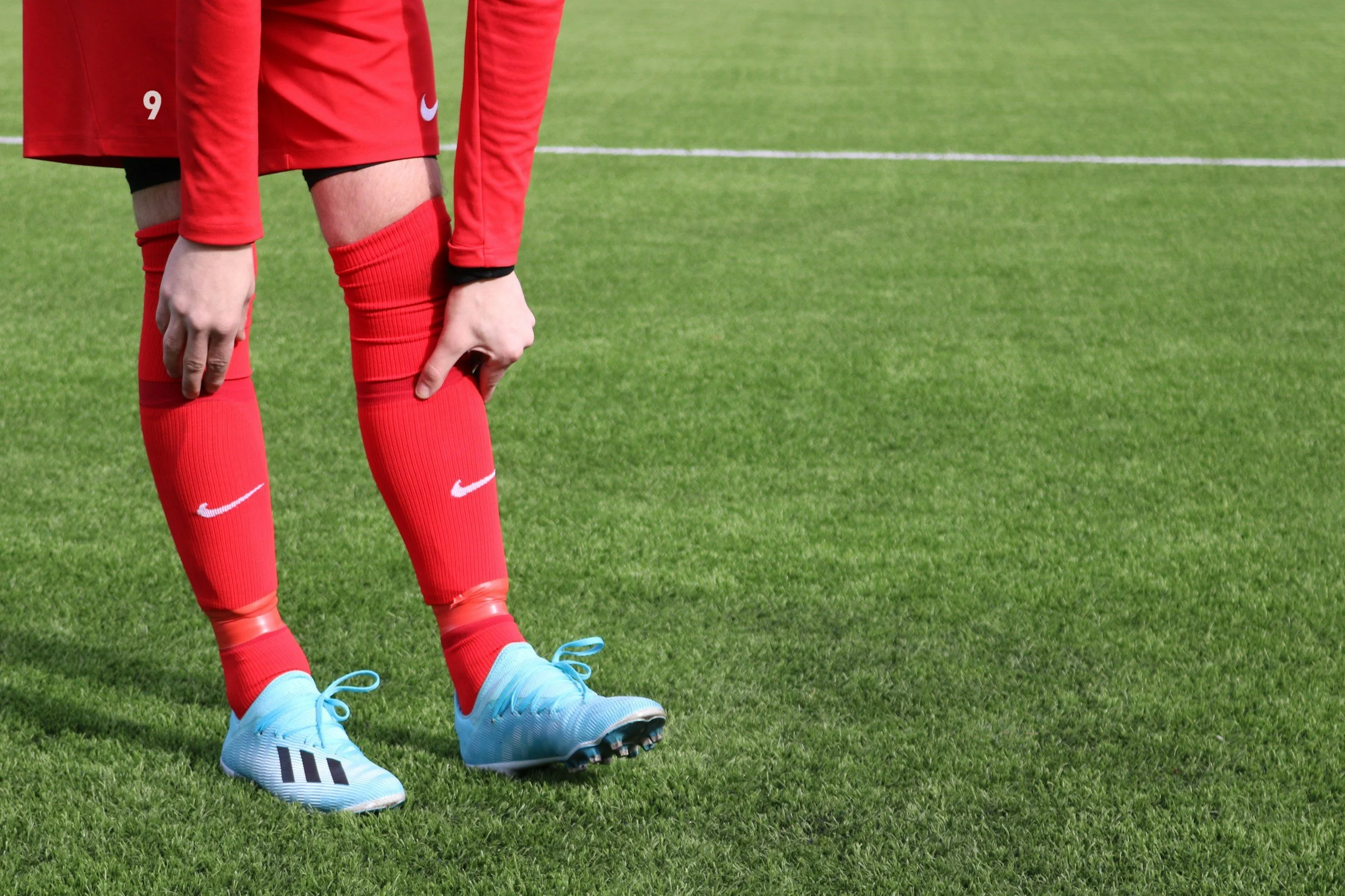
Can Osteopathy Help Sports Injuries?
Sports injuries aren't just for athletes. From chronic tendinopathy to overuse strains, osteopathy looks beyond the painful area to treat the whole person — using soft tissue work, lymphatic drainage, and a holistic understanding of what your body needs to actually heal. Find out how it could help you get back to what you love.

Sciatica vs Referred Pain: What's the Difference — and Why Does It Matter?
Low back pain and leg pain are among the most common presentations I see at Evolve Osteopathy — and one of the most common sources of confusion is the difference between referred pain and true nerve pain. People often use the word "sciatica" to describe both, but they're not the same thing, and the distinction really matters.
Referred pain tends to be dull and diffuse, spreading from a joint or muscle in the back into the buttock or thigh. True radicular pain — what we might more precisely call sciatica — is sharper and more defined: a shooting or electric-shock-like pain that travels down the leg along a specific nerve pathway. And when that nerve starts to lose function, producing numbness, pins and needles, or muscle weakness, we call that radiculopathy.
In this post I break down each of these in plain language — including when symptoms become red flags that need urgent attention.
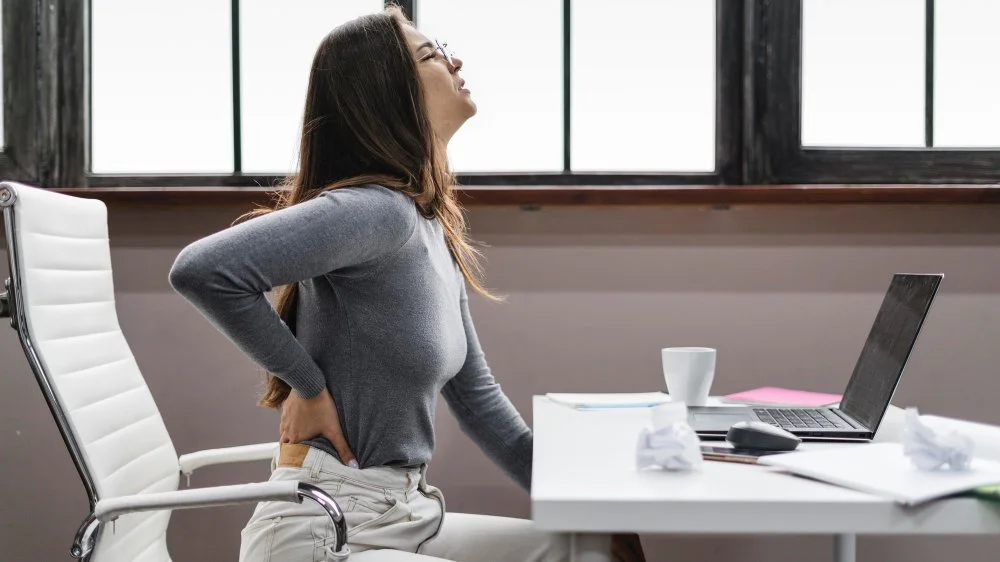
Is Posture Really Causing Your Pain?
Posture has long been blamed for back pain, neck tension, and headaches — but the picture is more nuanced than that. Research increasingly suggests it's less about the posture itself, and more about staying still for too long. Poor posture can absolutely be a predisposing and maintaining factor in pain — but it's rarely the whole story. In this post, I share my clinical perspective on what posture really means for your health, why function always comes first, and what I look for in every new patient consultation.
Can Stress Cause Physical Pain?
This Mental Health Awareness Week, I wanted to talk about something I see in clinic every day but that rarely gets spoken about openly — the very real physical impact of stress on your body. From chronic muscle tension and headaches, to chest pain, gut health and lowered pain thresholds, stress doesn't just affect how you feel emotionally. It changes your physiology. In this post I break down exactly how — system by system — and what it means for your recovery.
Why Sleep Is the Most Underrated Part of Your Recovery
Most people know sleep matters. But very few realise just how directly it's affecting their recovery from pain.
Your body does its physical repair between 10pm and 2am. If you're regularly going to bed after that, you're eating into the window your body needs to heal — and that matters enormously when you're dealing with aches, pains or injury.
Poor sleep also sets off a cascade: more sugar cravings, more caffeine, disrupted blood sugar, and a nervous system stuck in fight-or-flight mode. Pain is already a stressor. Sleep deprivation is another. They compound.
The good news? Sleep is one of the few things you have direct control over — and it's free.
In this post, I cover what's actually disrupting your sleep (some of it might surprise you), and the practical changes that make the biggest difference.
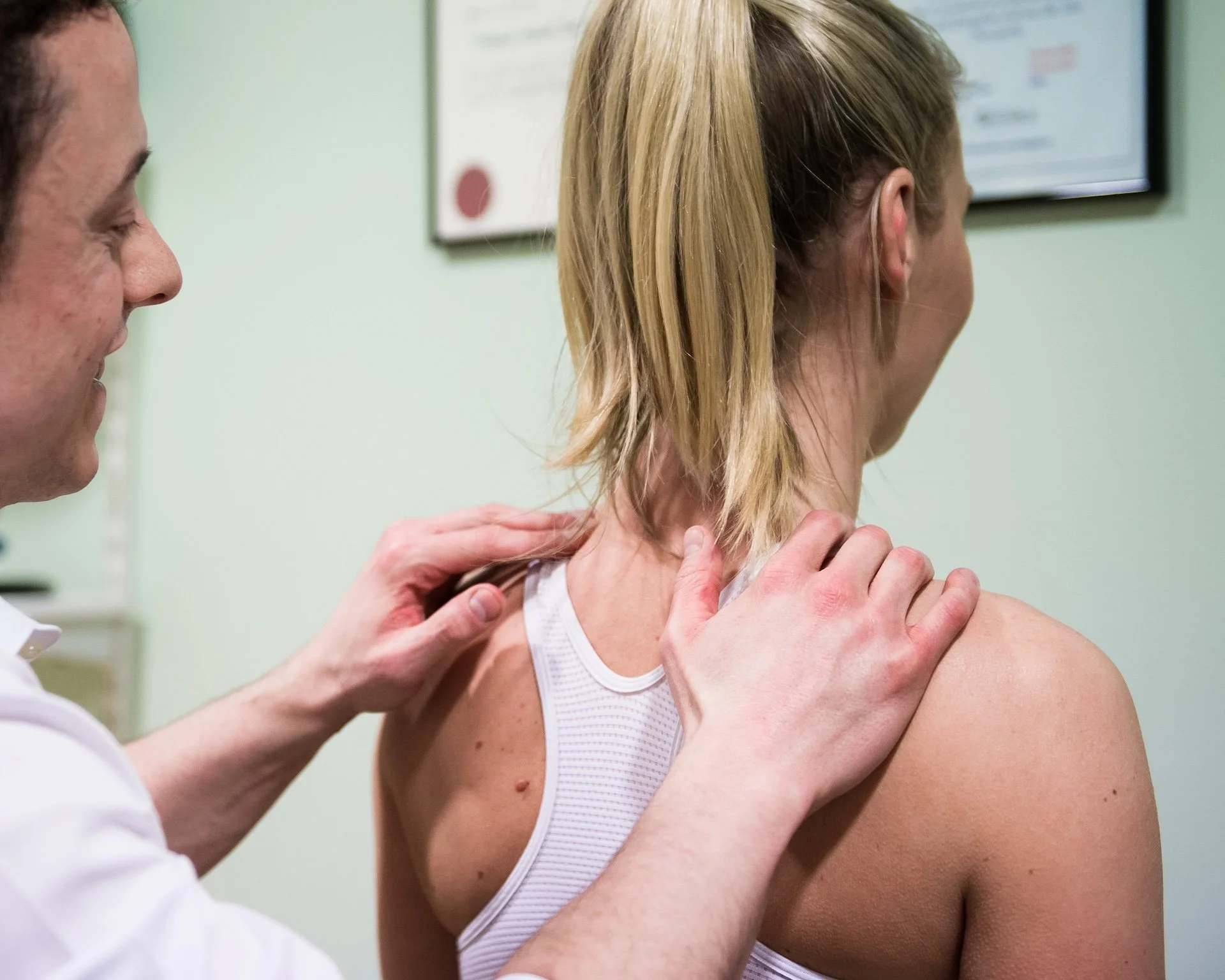
What Happens in Your First Osteopathy Appointment?
Not sure what actually happens when you walk into an osteopathy appointment for the first time? You're not alone — it's one of the questions I get asked most. In this post I walk you through the entire process, from the medical form you complete at home, to the full head-to-toe assessment, to the Report of Findings appointment where we sit down together and map out your plan. Read more to get a clear picture of what to expect.
Headache That Won't Go Away — Could It Be Your Neck?
If you suffer from persistent headaches that nothing seems to shift, your neck could be the hidden culprit. Osteopath Tom Smith explains the muscle groups, nerves, and joints that commonly drive headaches — and why hands-on treatment might be the answer you've been looking for.
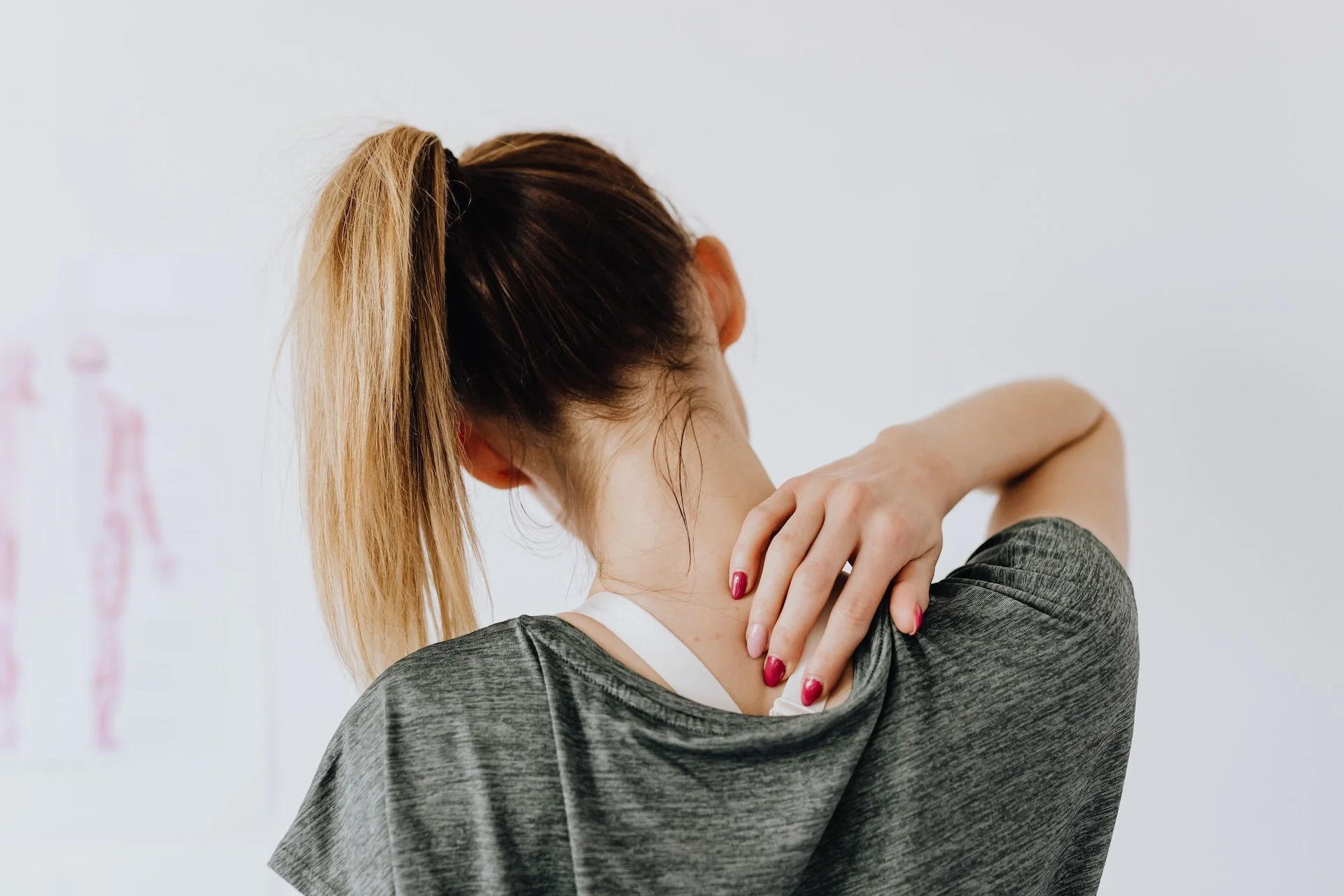
Why Does My Neck Hurt When I Haven't Injured It?
Most people assume neck pain means they've pulled something or slept awkwardly. But when there's no obvious injury, the real cause is often something far less obvious — stress, posture, vision, jaw problems, or even an underlying health condition. In this post I cover the full range of reasons your neck might be hurting, including some important warning signs you should never ignore.
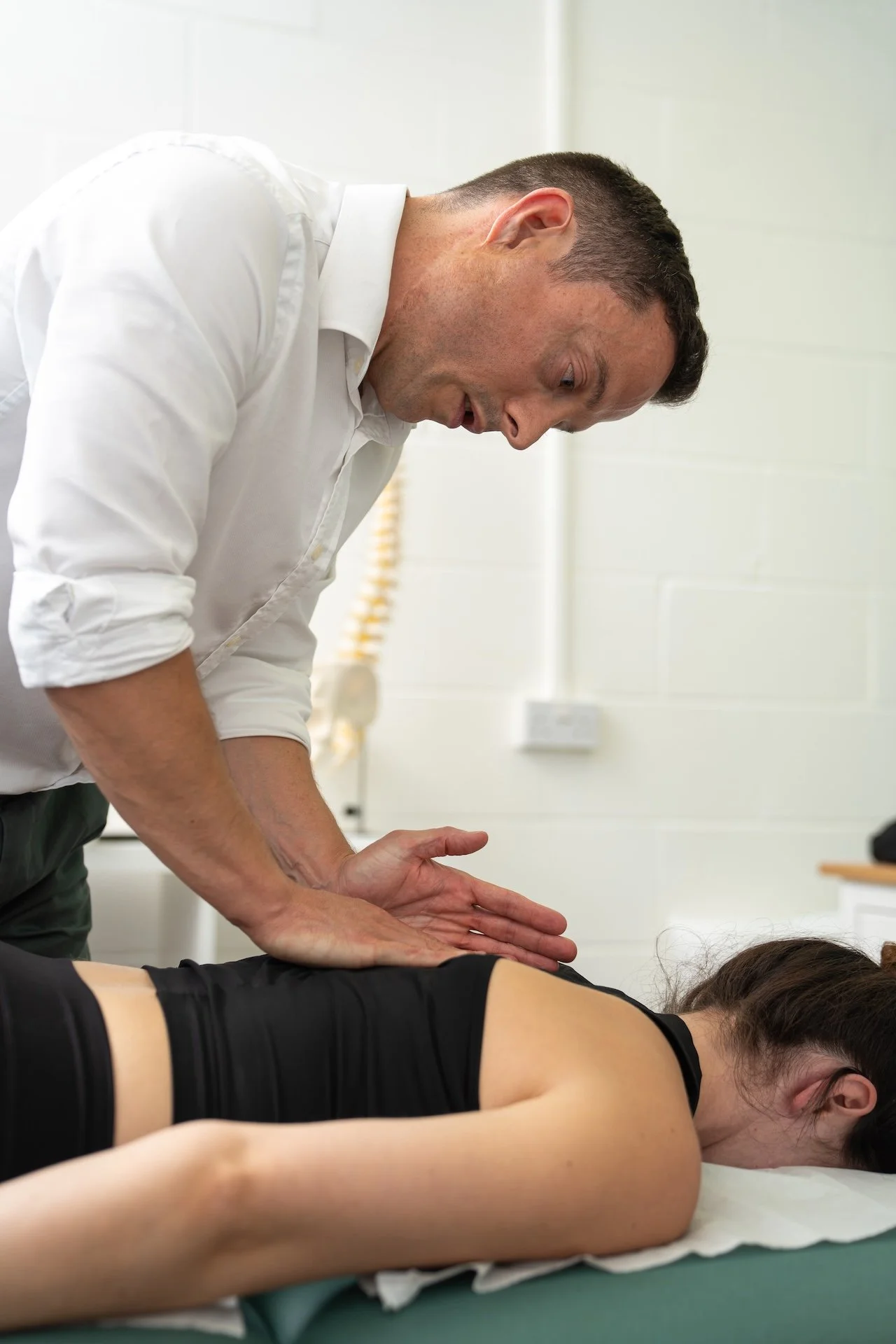
What Does An Osteopath Actually Do?
Many people have heard of osteopathy but aren’t quite sure what osteopaths actually do. Here’s how osteopaths assess, treat and support people with pain and movement problems.
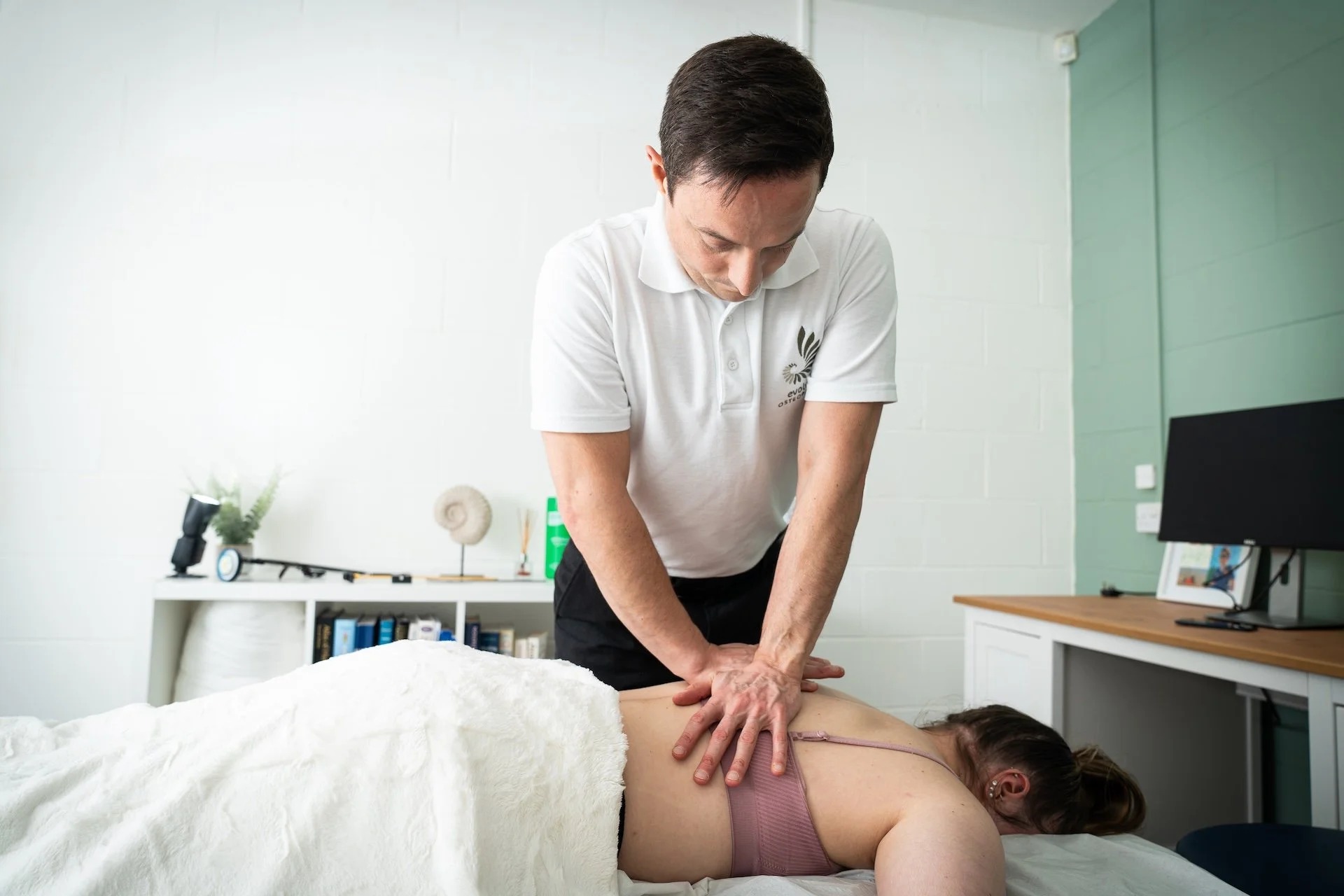
Is Osteopathy Safe?
Osteopathy is widely used to treat musculoskeletal problems such as back pain, neck pain and joint stiffness. But many people wonder whether osteopathic treatment is safe. Here’s what you need to know.
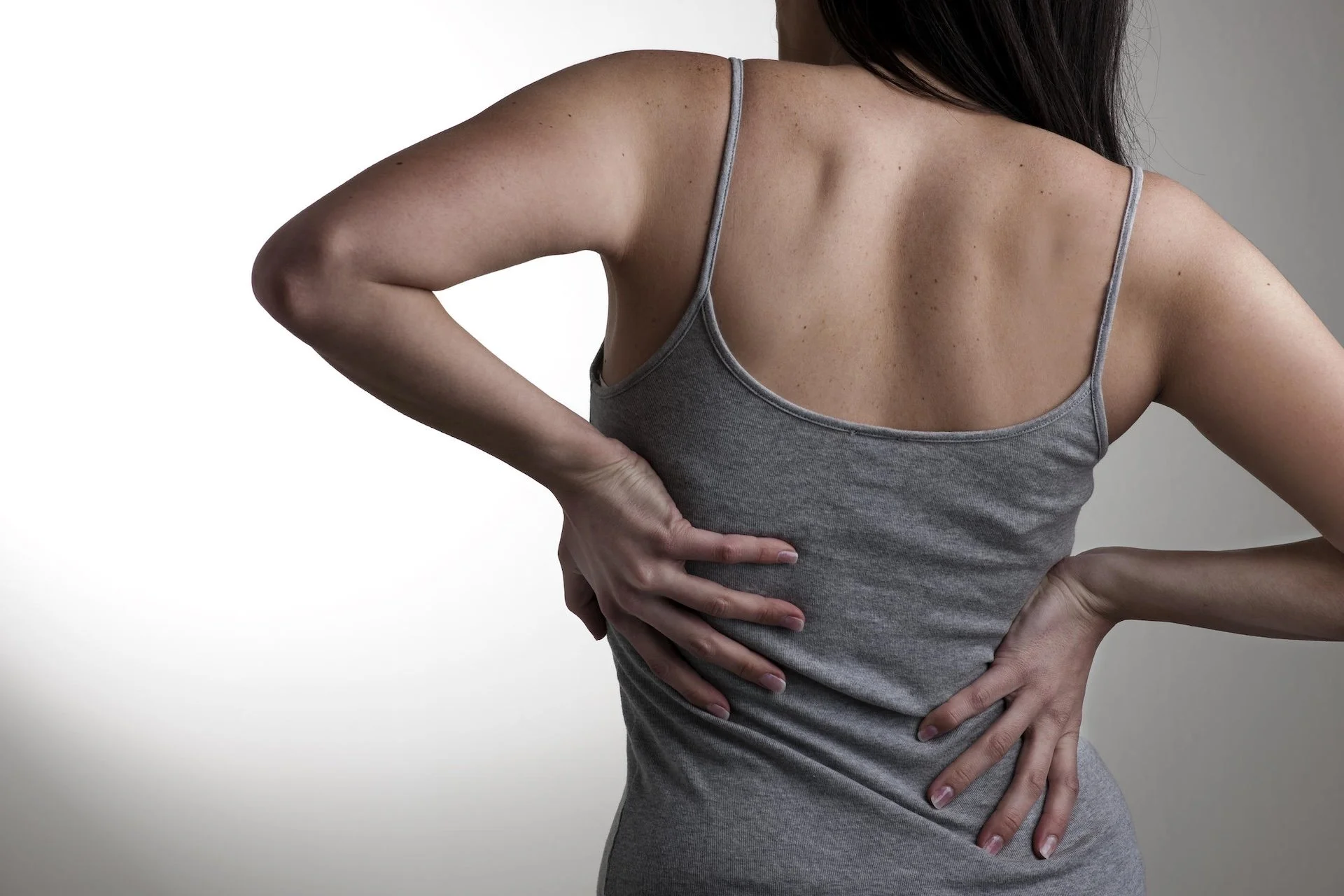
Why Does My Back Pain Keep Coming Back?
Back pain often improves temporarily but then returns weeks or months later. Understanding why this happens can help you address the root cause and prevent the cycle from repeating.
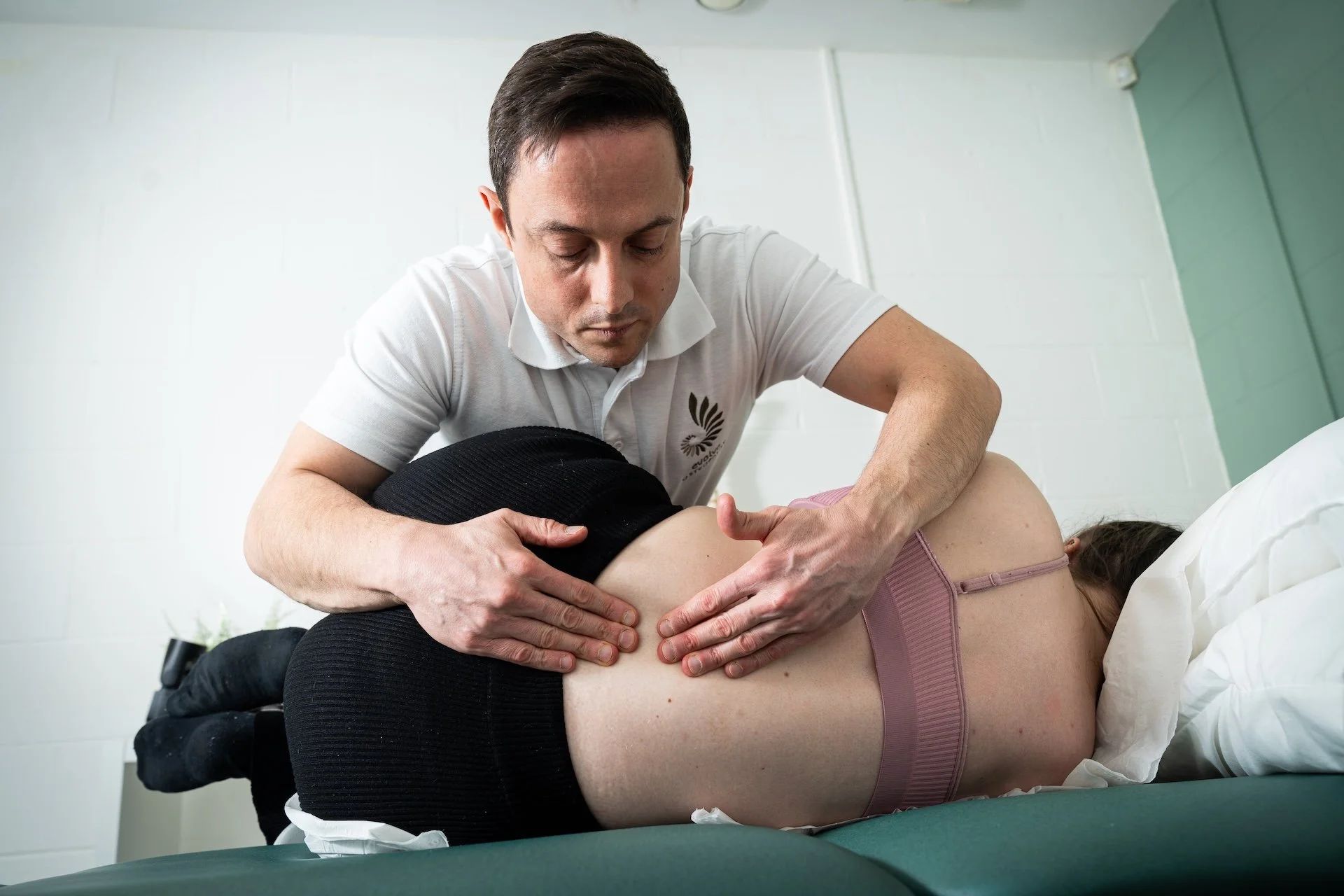
When Should You See An Osteopath?
Wondering whether your back pain or joint problem needs professional help? Learn when it may be time to see an osteopath and what symptoms shouldn’t be ignored.