
When Should You See An Osteopath?
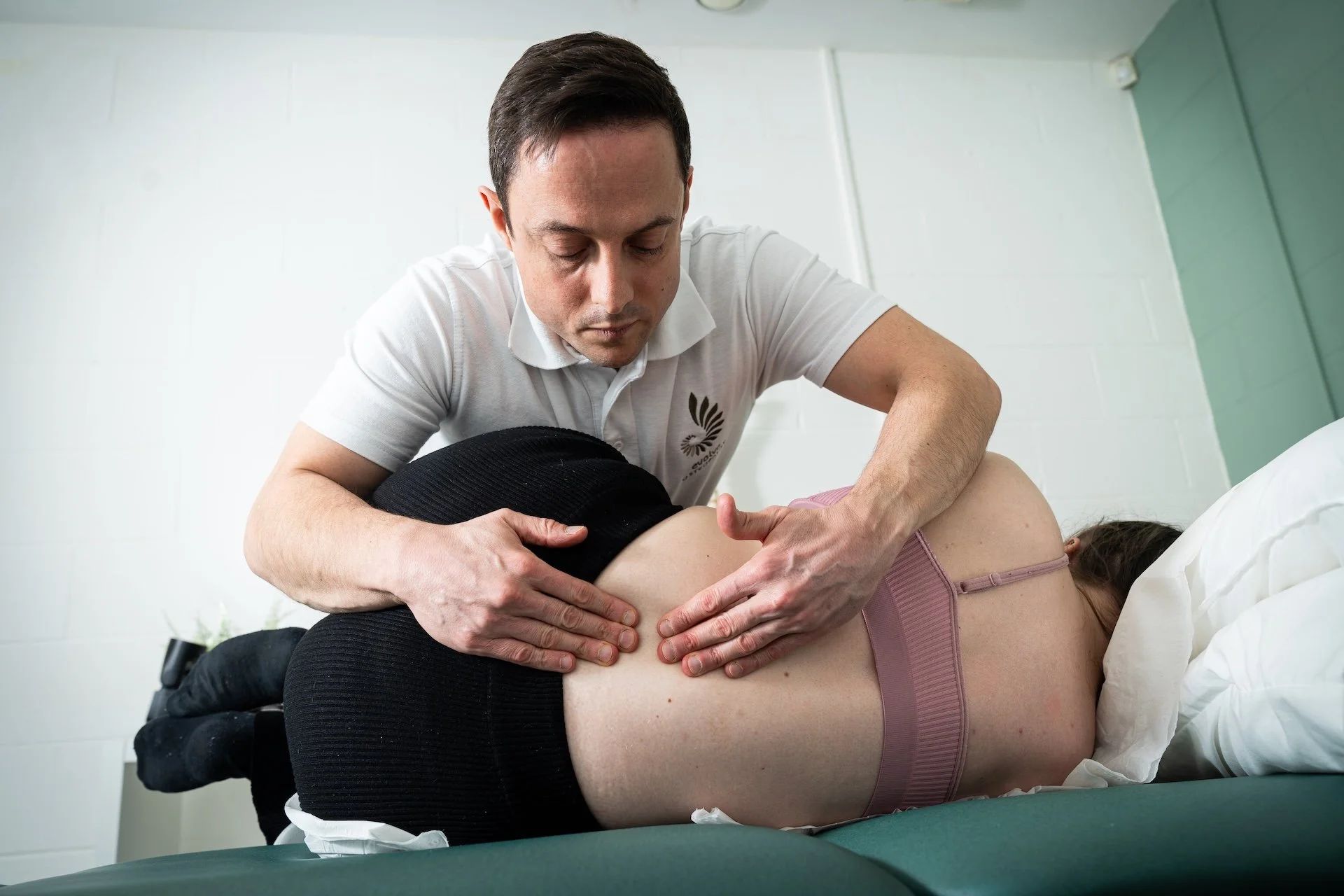
Many aches and pains will settle naturally on their own. Everyday activities, exercise, or simply sleeping in an awkward position can sometimes leave us feeling stiff or sore for a few days.
However, some symptoms persist longer than expected or gradually worsen over time. In these situations, it may be helpful to seek a professional assessment to understand what might be contributing to your symptoms and what you can do to improve them.
Common symptoms osteopaths treat
Osteopaths treat a wide range of musculoskeletal problems affecting joints, muscles and the spine. Although osteopaths are often associated with back pain, the scope of treatment is much broader.
Back Pain
Back pain is one of the most common reasons people visit an osteopath. It’s something I see regularly in clinic.
In many cases, back pain improves within a few days or weeks with simple self-care. You may have already tried things like:
Gentle stretching
Over-the-counter medication such as paracetamol or ibuprofen
Applying heat or ice
Avoiding movements that aggravate the pain
However, if your back pain has been persisting for several weeks, becoming more frequent, or gradually worsening, it may be a good idea to seek professional advice.
Neck and Shoulder Tension
Neck and shoulder tension is particularly common for people who spend long periods working at a desk.
Research suggests that discomfort is often less about having “perfect posture” and more about how long we stay in one position without moving. Even a relatively good sitting position can become uncomfortable if we stay there for hours.
If you work at a desk, simple habits can make a big difference:
Taking regular breaks
Standing up every 30–60 minutes
Walking around the office
Stretching or moving your shoulders
Movement is key. Our bodies simply aren’t designed to stay still for long periods.
Sciatica
Sciatica can be particularly uncomfortable and sometimes quite debilitating.
It often presents as pain that travels from the lower back or hip down the back of the leg, sometimes reaching the calf or foot. People often describe the pain as:
Sharp or shooting
Electric shock-like
Burning or tingling
Some people may also experience pins and needles or numbness.
However, there are certain symptoms that require urgent medical attention. If you experience:
Numbness around the saddle area
Loss of bladder or bowel control
Weakness in both legs
you should seek immediate medical help or attend A&E, as these may be signs of a rare but serious condition called Cauda Equina Syndrome.
Headaches Related to Neck Tension
Tension in the neck and shoulders can sometimes contribute to headaches.
These may be described as tension-type headaches or cervicogenic headaches, where discomfort in the neck refers pain towards the head.
Addressing the underlying tension and improving movement in the neck and upper back can often help reduce these symptoms.
Joint Stiffness
Joint stiffness can affect everyday activities more than people realise.
You might notice it when:
Bending down to tie your shoes
Putting on a jacket
Reaching overhead
Getting dressed
If stiffness is limiting your movement or affecting your daily routine, it may be worth seeking advice.
When pain might settle on its own
Not every ache or pain needs treatment.
Many symptoms improve naturally, particularly when they are related to:
Mild muscle strains
Temporary stiffness
Post-exercise soreness
For example, muscle soreness after exercise typically settles within 48–72 hours.
If symptoms are mild and gradually improving, simple self-care and keeping active may be all that is needed.
Signs your body needs professional help
It may be worth considering an assessment if you experience:
Pain lasting longer than 2–4 weeks
Symptoms that are gradually worsening
Recurrent episodes of pain
Reduced mobility or difficulty performing daily activities
Pain that interferes with sleep or work
Getting an assessment can help identify possible contributing factors and provide guidance on how to manage your symptoms effectively.
What happens during an osteopathy consultation?
If you decide to book an appointment, the process is straightforward.
Before your visit, you’ll usually receive a medical history form to complete. This helps provide important information about your health, including:
Previous injuries or operations
Current medications
Past treatments that may have helped
This information helps build a clearer picture before your appointment.
During the consultation, we’ll discuss your symptoms in more detail and explore how they affect your daily life.
The assessment typically involves:
Looking at how you move
Checking areas of stiffness or restriction
Assessing movement in joints and muscles
Sometimes the source of a problem isn’t exactly where the pain is felt, which is why it’s important to assess the body as a whole.
This approach is one of the key aspects of osteopathy – looking beyond the immediate symptoms to understand how different parts of the body may be contributing.
If appropriate, treatment may include hands-on techniques as well as advice on:
Movement and activity
Lifestyle factors
Exercises to support recovery
If You're Unsure Whether Osteopathy Can Help
If you’re unsure whether osteopathy is suitable for your symptoms, an initial consultation can help provide clarity.
You’ll have the opportunity to discuss your concerns, receive an assessment, and explore possible next steps.
If you’d like to learn more or book an appointment, you can use the online booking system or get in touch through the website.