
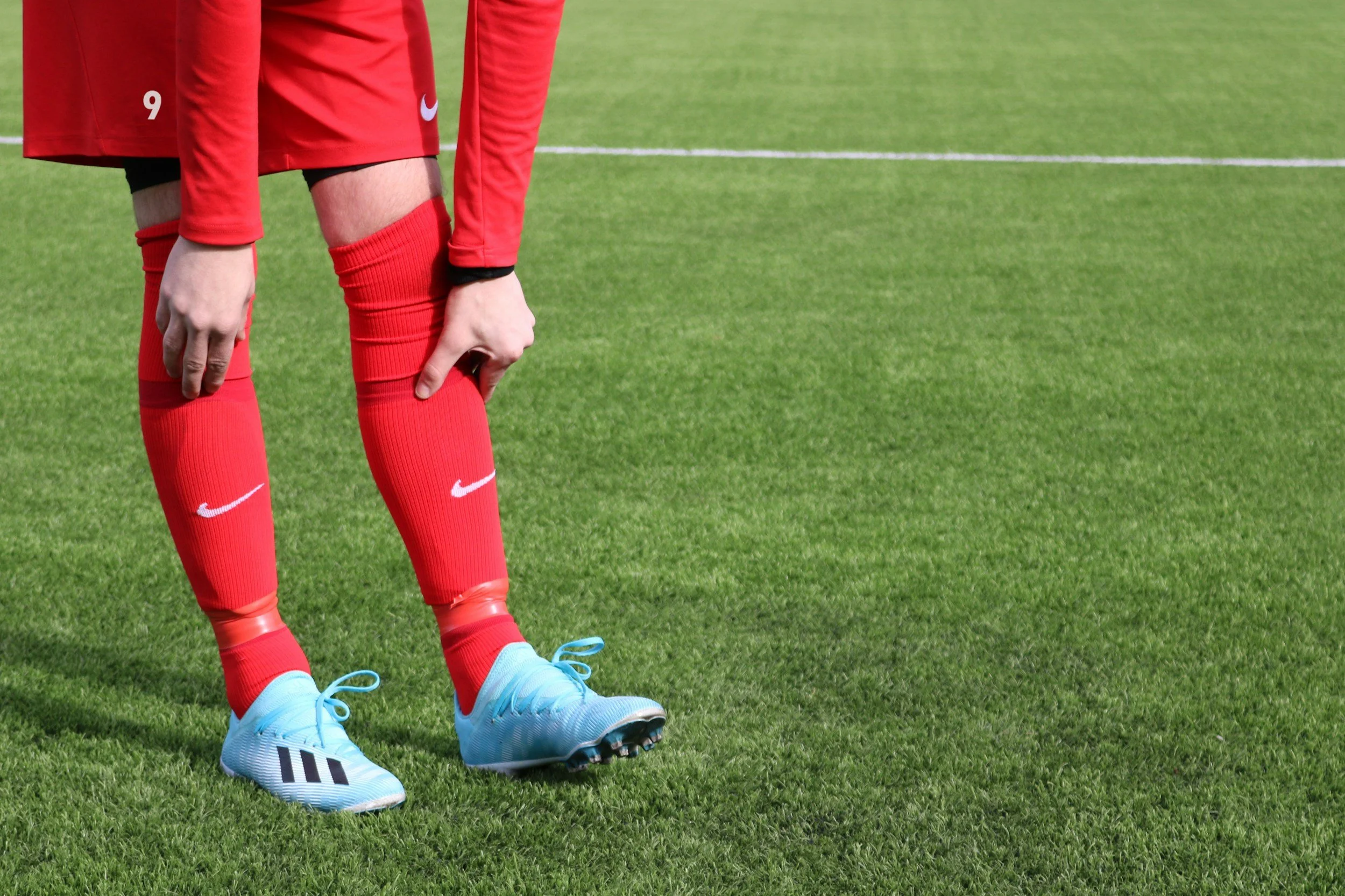
Whether you're a weekend footballer, a committed marathon runner, or someone who simply does a physical job day in, day out — sports injuries don't discriminate. Factory workers develop tennis elbow. Painters strain their shoulders. Gardeners get tendonitis. The body doesn't care whether the load comes from a pitch or a paintbrush; repetitive, demanding movement takes its toll regardless. So where does osteopathy fit in — and can it genuinely help?
What Counts As a Sports Injury?
Sports injuries broadly fall into two categories: acute and chronic.
Acute injuries are the sudden ones — a tackle, a fall, a sprain, or a rupture. If you've had significant swelling, bruising, an inability to weight-bear, visible deformity, or any sign of concussion (loss of consciousness, dizziness, slurred speech, weakness), please go straight to A&E or your GP. These need immediate medical assessment, possibly imaging, and are not the starting point for osteopathic care.
Chronic injuries are a different story. These develop gradually through repetitive overload — the runner who's pushed their mileage too fast, the cyclist whose hip flexors have silently tightened over thousands of miles, or the football coach whose shoulder has been quietly compensating for a movement pattern that drifted years ago. These injuries respond well to osteopathic care, and they're where I spend most of my clinical time.
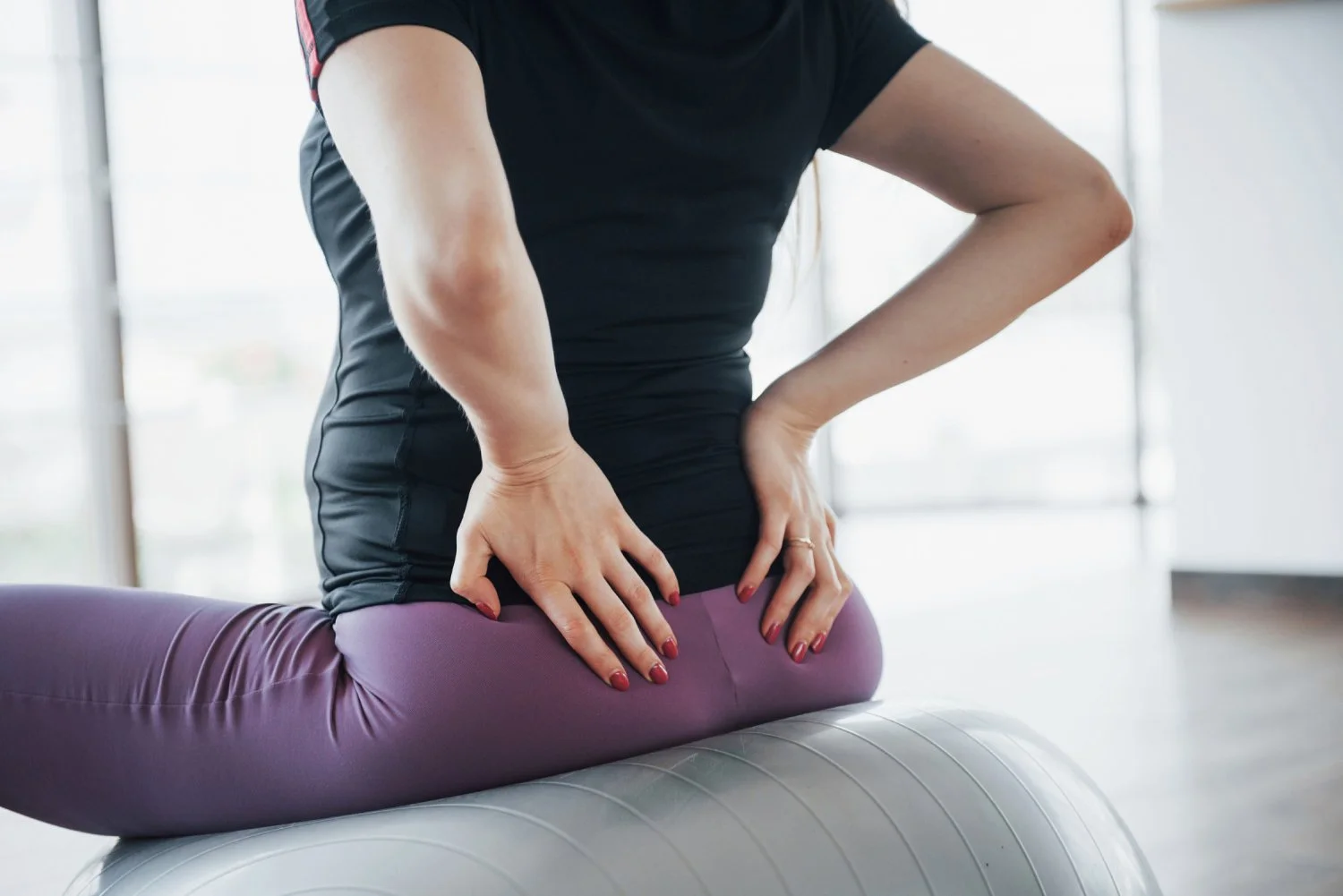
Risk Factors Worth Knowing
Chronic sports injuries rarely come from nowhere. Common contributors include:
Poor exercise technique or programming
Increasing load too quickly (the classic "too much, too soon" mistake)
Running or training on hard surfaces with inadequate footwear
A previous injury that never fully resolved
Age-related changes in tissue quality — tendons become less supple, joints accumulate wear, and recovery takes longer.
Any of these can tip a body that's coping into one that's struggling.
How Osteopathy Actually Helps
Here's where osteopathy differs from simply treating the painful part: we look beyond the site of injury to understand why it happened in the first place.
A runner with persistent Achilles tendinopathy might have restricted ankle mobility, a stiff thoracic spine affecting gait mechanics, or tight hip flexors altering their loading pattern — none of which is at the heel, but all of which are contributing. Osteopathic treatment addresses the kinetic chain, not just the complaint.
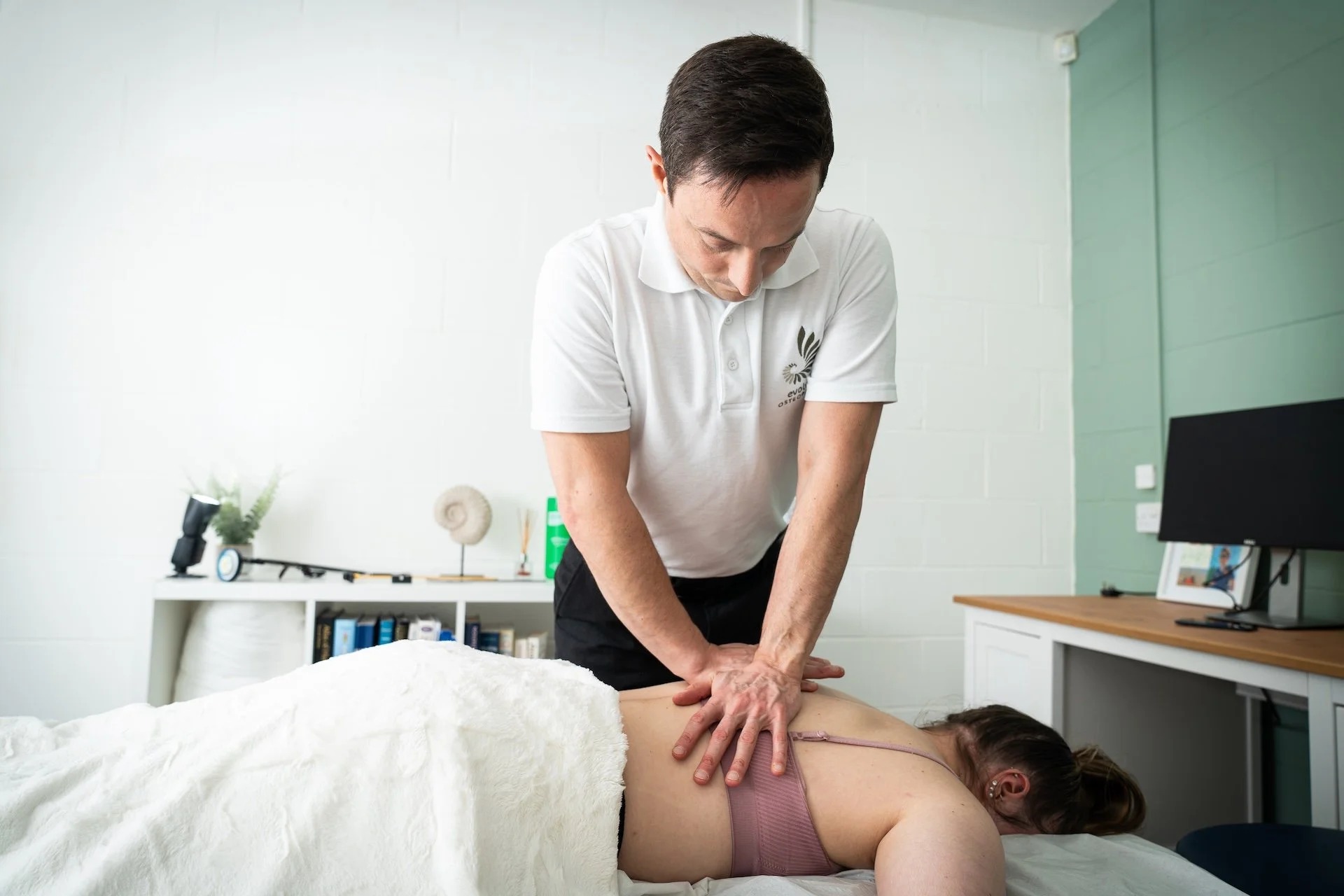
Soft tissue work is central to this. Techniques including myofascial release, deep tissue massage, and muscle energy techniques work directly on the muscles, tendons, and connective tissue around an injury — reducing tension, breaking down adhesions, restoring length and movement to structures that have become guarded or restricted. This isn't just pain relief; it's preparing tissue to function properly again.
Lymphatic drainage is another tool I use that often surprises patients. After injury or overuse, tissue congestion — fluid, cellular debris, inflammatory mediators — can slow healing significantly. Gentle lymphatic techniques help clear this congestion, reduce swelling, and create the conditions for tissue repair to actually happen. It's particularly useful in the earlier stages of a chronic injury or after a flare-up.
The Holistic Picture
My training as a Naturopath and CHEK Practitioner means I don't stop at the musculoskeletal system. Healing from a sports injury is also influenced by sleep quality, nutritional status, stress load, and hydration — all of which affect tissue repair at a cellular level. Chronic high cortisol from life stress, for example, impairs tendon healing. Poor sleep reduces growth hormone output, which is essential for soft tissue recovery. These aren't minor footnotes; they're often the reason someone isn't progressing as quickly as they should.
In practice, this means we might talk about your recovery nutrition, your sleep patterns, or your overall stress load alongside hands-on treatment — not as a distraction from your injury, but because these things are directly relevant to it.
Getting back to what you love
If you've tried stretches, exercises, ice, heat, or medication and you're still not seeing the progress you need — whether that's returning to training, competing in an event, or simply getting through your working day without pain — osteopathy may be the piece that's been missing.
You can book an appointment online at www.evolveosteopathy.co.uk. I'd be glad to help.