
Why Do I Wake Up With Morning Stiffness?

Morning stiffness is one of the most common things patients mention when they first come in — and it's something most of us have experienced at some point. You've pushed yourself in the gym, had a big day in the garden, and the next morning you roll out of bed feeling like you've aged twenty years overnight. Reassuringly, this kind of post-activity stiffness is completely normal and generally settles within an hour or so of getting moving.
But what if it keeps happening, or you can't quite link it to activity? There are actually several different reasons why you might be waking up stiff, and it's worth knowing the difference.
The Most Common Cause: Post-Activity Soreness
After physical exertion — whether that's exercise, manual work, or a long day on your feet — your muscles and connective tissues go through a natural repair process overnight. Microinflammation at the tissue level is part of how the body adapts and gets stronger, but it's also why you feel stiff and achy the next morning. This is normal, expected, and temporary. It usually resolves within a day or two, especially with gentle movement, heat, and staying well hydrated.
It's also worth knowing that this can happen after an osteopathic treatment. A post-treatment reaction — sometimes called a "treatment response" — is your body adjusting to the work that's been done. If it lasts more than 48 hours or feels disproportionate, it's always worth mentioning at your next appointment.

The Role of Disc and Joint Hydration
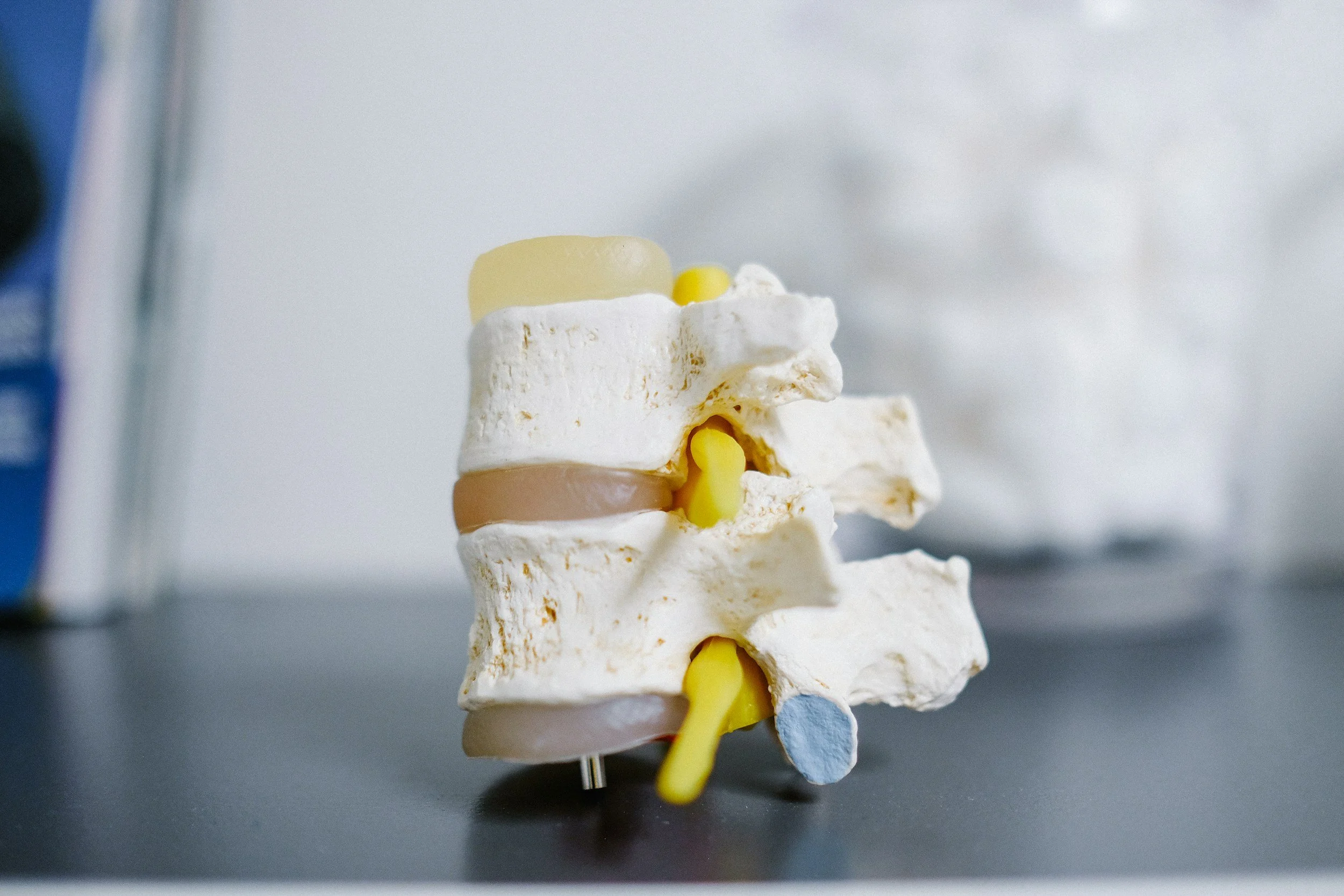
Here's something many people don't realise: the discs between your vertebrae actually absorb fluid overnight while you sleep. This is why you're technically a few millimetres taller in the morning than you are by the end of the day. Those discs are under more tension when you first get up, which can contribute to that feeling of tightness and stiffness in the spine — particularly in the lower back and neck. This is especially common if you've been in the same position for a long time, or if your sleep position isn't particularly kind to your spine.
Staying well hydrated throughout the day helps maintain good disc health over the long term. And if you find certain sleep positions consistently make mornings worse, that's something we can look at together.
Osteoarthritis and Degenerative Change
If you have osteoarthritis or age-related wear and change in a joint, morning stiffness is a very common feature. The joint needs time to "warm up" — to generate its own lubrication through movement — before it functions comfortably. For most people this settles within 20 to 30 minutes of getting moving. Heat is often helpful here, either from a warm shower, a heat pack, or simply gentle activity.
This type of stiffness is manageable and doesn't have to define your mornings. Osteopathic treatment, exercise, and lifestyle support can all make a meaningful difference.

Stiffness Following an Injury
If you've recently had an injury — a sprained ankle, a fall, or any trauma to a joint — you may notice that stiffness is worst first thing. This is because inflammation tends to pool around the affected area when you're at rest, particularly overnight. When you wake up, the area feels swollen, stiff, and sore. Again, gentle movement usually helps as the day goes on, but the underlying injury still needs proper attention.
Inflammatory Conditions — When Stiffness Is a Red Flag
This is the category where morning stiffness becomes a more important signal. There are systemic inflammatory conditions where the stiffness doesn't follow the usual pattern — it doesn't ease up quickly with movement, and it may actually be worse after rest.
Rheumatoid Arthritis typically presents with stiffness lasting more than an hour in the morning, alongside symmetrical joint pain, swelling, and warmth. It may also come with tiredness, a general feeling of being unwell, or other symptoms affecting different parts of the body. It's diagnosed through blood tests and managed by a rheumatologist.
Polymyalgia Rheumatica (PMR) is another condition worth knowing about, more common in people over 50. It causes significant stiffness and aching, particularly in the shoulders, neck, and hips, that is typically worse in the morning and can take several hours to settle. PMR is also diagnosed by blood tests and usually responds well to a course of corticosteroids.
If your morning stiffness is prolonged, unexplained, or comes with other symptoms that don't fit the usual pattern, it's important to get it checked out. This is something we assess carefully in clinic, and we'll always refer you to your GP or a specialist if we think further investigation is needed.
What To Do About Morning Stiffness
For most people, morning stiffness is related to activity, posture, sleep position, or gradual age-related changes — and there's a lot we can do to help. Osteopathic treatment addresses the joints, muscles, and connective tissue directly, while also looking at the bigger picture: how you move, how you sleep, how you recover, and what your body needs to function well day to day.
If you've been dealing with morning stiffness and want to understand what's driving it, get in touch or book online at www.EvolveOsteopathy.co.uk.