
The 4 White Devils: Could Your Diet Be Keeping You In Pain?
Neck, shoulder and low back pain. Headaches. Poor concentration. Low mood and anxiety. Skin breakouts. Getting hungry an hour after eating. Feeling tired but wired, with energy that crashes and surges through the day.
These are some of the most common things I see in clinic, and very often they turn up alongside a poor diet. It's rarely the only cause, but it's a piece of the puzzle that gets overlooked.
(If low mood or anxiety are significant for you, please speak to your GP as well. Diet is one part of the picture, not a replacement for proper support.)
Feel free to watch my video blog from my You Tube Channel below:
The Problem With The Standard Diet?
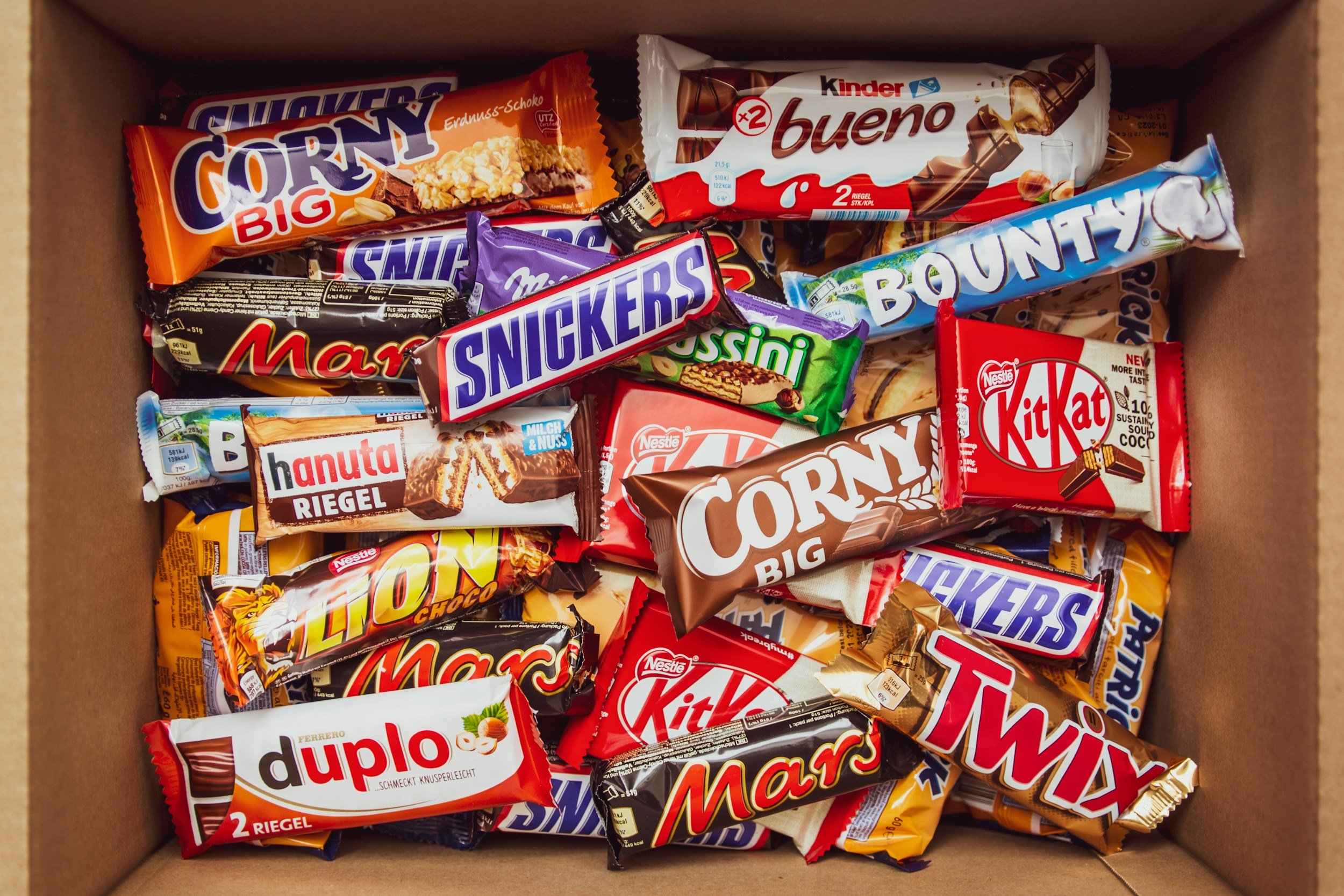
Nutrition researchers sometimes call the typical Western diet the SAD, or Standard American Diet. The UK isn't far behind. It's built around simple carbohydrates, refined foods, additives and preservatives, and heavily processed products.
Processed food is now far cheaper and more convenient than fresh, whole food. Much of it is also marketed as healthy. That protein bar or "natural" nut bar in your bag is often a long way from the real thing.

A Simple Rule Of Thumb: The 4 White Devils
Nutritional therapists and dieticians will go into far more depth than I can here, but I give my patients a simple starting point. Look closely at these four white devils:
White sugar: we all know the story here. Sugar is highly refined, easy to overeat, and a common driver of those energy highs and lows throughout the day..
White salt and processed salt: most of the salt we eat comes from processed foods rather than adding extra salt as seasoning. Cutting back on processed food does more than you think. If you like mineral salts such as Celtic sea salt or pink Himalayan rock salt, that's a fine choice, but see it as a preference rather than a fix.
Dairy: this suits some people well and more than others. If you have bloating, congestion or skin issues, it's worth trying a few weeks without it and seeing what changes.
Flour-based products: bread, pastries, biscuits and pasta. Refined flour is quickly digested and can leave you hungry again soon after.
This isn't about perfection or cutting everything out forever. It's about noticing what you reach for on autopilot and how your body responds.

A Lesson From History
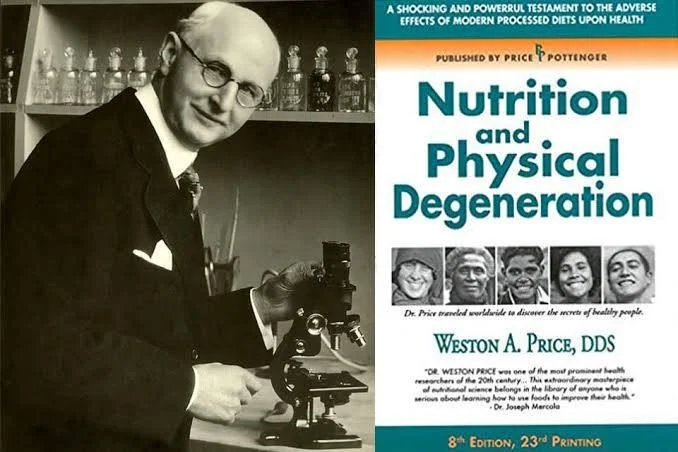
Almost a century ago, a dentist called Weston Price travelled the world studying communities eating traditional, whole-food diets. In Nutrition and Physical Degeneration he described good dental health and physical structure in people eating local, unprocessed food, and declining health when they moved to refined, imported foods.
His work is observational and has its critics, so it's not proof of anything on its own. But it's a thought-provoking reminder that food and physical structure are more connected than we tend to assume.
Why This Matters For Your Pain
Coming for treatment and having your back manipulated or your muscles worked on can give real relief. But if your diet, alcohol intake and sugar consumption keep your body in a state of constant inflammation and stress, you can end up going round in circles.
This is why I see osteopathy as a journey rather than a quick fix: relieve the pain, correct the underlying causes, then build long-term health. Diet is a big part of that middle stage.

Where To Start
Swap one processed snack a day for something whole
Read the label on anything marketed as "healthy"
Notice how you feel two hours after eating, not just while eating
If you'd like personalised advice on how diet fits into your recovery, you can book a consultation