
Common Running Injuries — And How to Prepare for the York and London Marathons

September is peak season for getting back into running. Schools and workwear are back, the Yorkshire Marathon is just weeks away in October, and anyone eyeing the London Marathon in early 2027 is likely already thinking about training. It's a great time to talk about the injuries we commonly see in runners — and what you can do to avoid them.
Running is one of the most accessible forms of exercise. No gym membership, no fancy kit — just a pair of trainers and the will to get out the door. That accessibility is exactly why so many people take it up each autumn, and exactly why we see a steady stream of running-related injuries in clinic once training ramps up.
Why Running Injuries Happen?
Whether you're training for a first 10k or building towards a marathon, injuries tend to come down to a familiar list of causes:
Overuse
Biomechanics
Poor footwear
Flexibility issues
Previous injury
The single biggest culprit, though, is simple: too much, too soon. Many runners' bodies — even those with a solid cardiovascular base from other sports — aren't yet prepared for the specific load that running places on the feet, ankles, knees, hips and lower back. The result is often shin splints, runner's knee, foot pain, or hip and back problems.

Footwear Matters More Than You'd Think
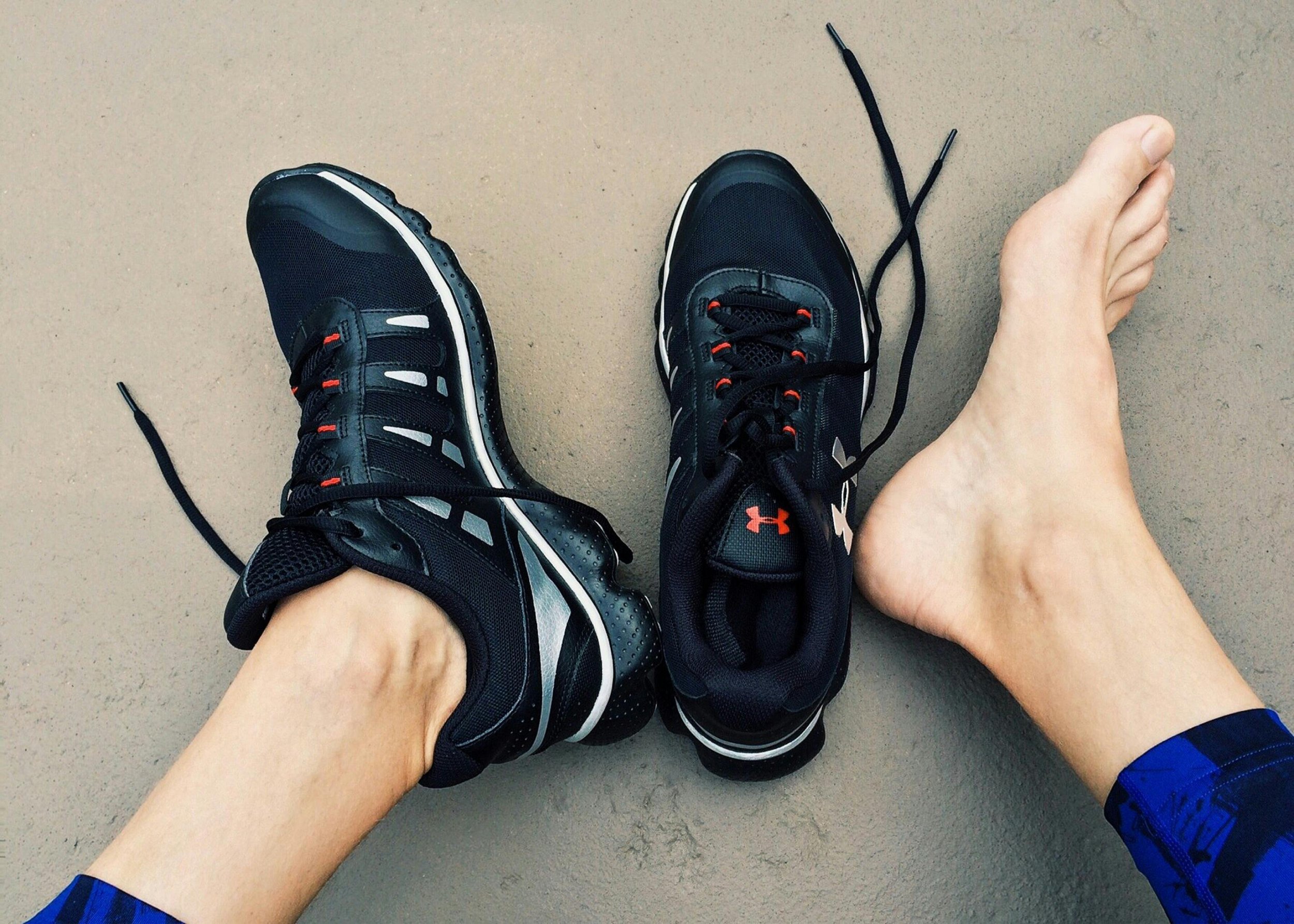
Footwear plays a big role in biomechanics, particularly how the foot and toes load through each stride. Heavily cushioned trainers can feel comfortable, but they can also decondition the foot over time. At the other extreme, running in old, worn-out shoes dug out of the back of the wardrobe offers little support for feet that are already deconditioned — leaving the door open to repetitive strain injuries like:
Shin splints
Posterior compartment syndrome
Iliotibial (IT) band syndrome
Knee tendon or ligament injuries
What You Can Do To Protect Yourself
The good news is that most of these injuries are preventable with a few sensible habits:
Build mileage gradually. Increase distance and speed slowly rather than jumping straight into marathon-level training.
Vary your training. Mix long runs, tempo runs, hill sessions, treadmill work, cross-training, swimming and cycling. This builds cardiovascular fitness without repeatedly loading your body in exactly the same way.
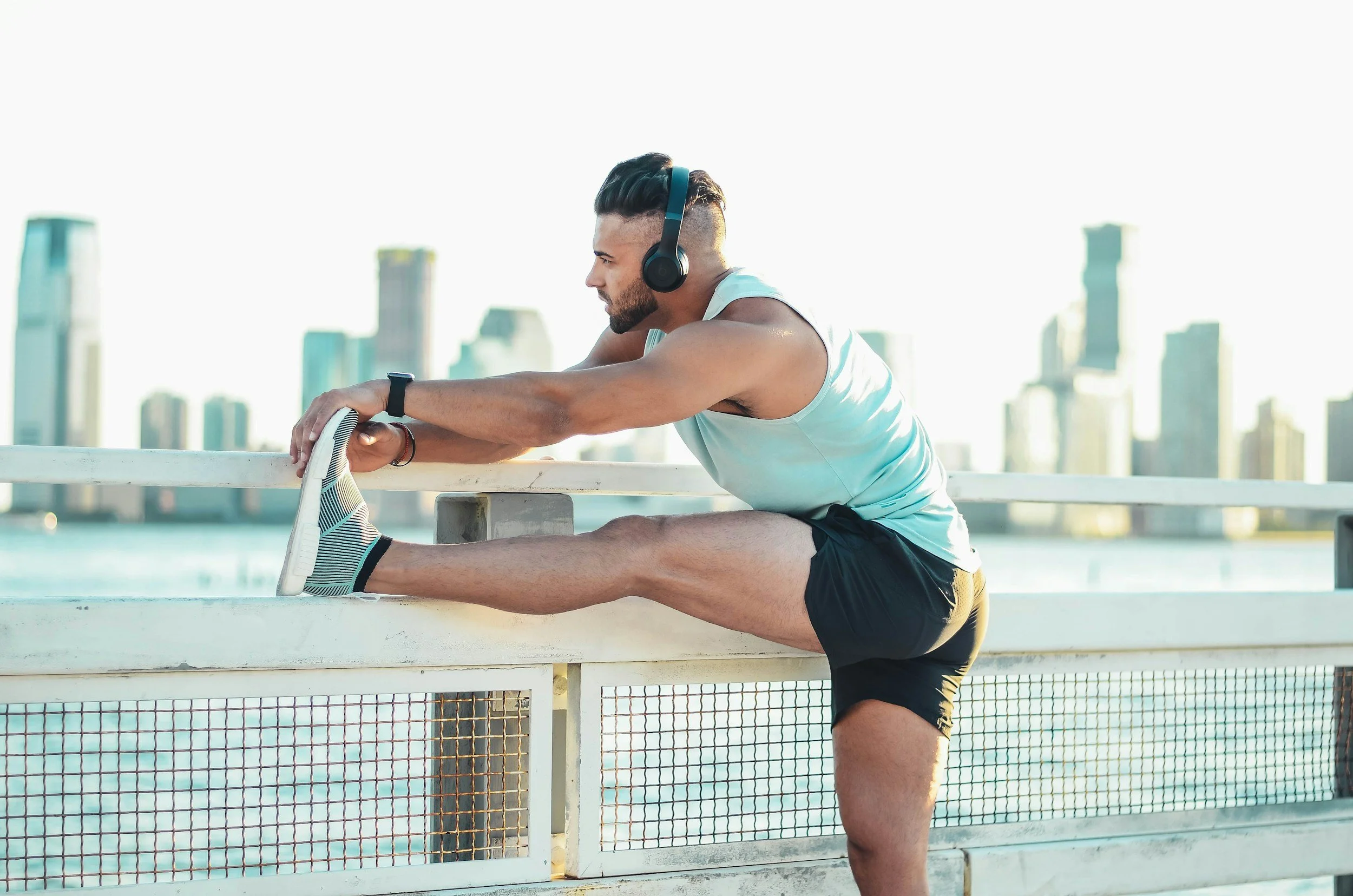
Stay on top of flexibility. Tight calves, quads, hip flexors and glutes are common contributors to injury — a regular stretching routine at home goes a long way.
Build core and joint stability. Strength and stability around the low back, hips, knees and ankles help your body absorb repetitive load more safely.
Pay attention to posture and biomechanics. Patterns like overpronation, upper or lower cross syndrome, or poor pelvic control can all quietly drive injury risk.
How Osteopathy Can Help
Osteopathy is a hands-on approach that helps improve biomechanics and ease everyday aches and pains before they become bigger problems. With a background in sports massage, I've worked with plenty of athletes, runners and triathletes facing exactly these kinds of injuries. Soft tissue work can play a real role in recovery, but a corrective exercise programme — improving posture and neuromuscular control before progressing into strength and conditioning — is often what makes the lasting difference, both for recovery and for performance on race day.
If you're building towards the Yorkshire Marathon this October, or already looking ahead to London in 2027, getting an assessment now — before niggles become injuries — is one of the best things you can do for your training.
You can book online at www.evolveosteopathy.co.uk, based at the Riccall Regen Centre, between York and Selby. Any questions, just give me a call.