
Shoulder Pain That Won't Go Away? Understanding Rotator Cuff-Related Shoulder Pain

Shoulder pain has a way of affecting you in every aspect of your life. Getting dressed, putting a coat on, reaching up to a shelf, driving, and finding a comfortable position at night can all become a struggle. If it hasn't settled after a couple of weeks, it's worth getting it looked at.
I'm Tom Smith, an osteopath and naturopath at Evolve Osteopathy in Riccall, between York and Selby. Shoulder pain is one of the most common things I see in clinic, and the rotator cuff is very often involved.
Feel free to watch my video blog from my You Tube Channel below:
Why The Shoulder Is So Easily Affected
The shoulder is one of the most complex joints in the body. It gives us a huge range of movement, but it trades some stability for that freedom, so there are many ways for it to become irritated or painful.

What Shoulder Pain Can Feel Like
Everyone's experience is different, but common patterns include:
A dull ache that lingers
A sharp pain when you move the arm in certain directions
Difficulty lifting the arm above your head
Pain when lying on the affected side, which disrupts sleep
Pain that travels from the shoulder down towards the elbow
Difficulty with everyday tasks such as dressing, driving or work
When To Go To A&E Instead
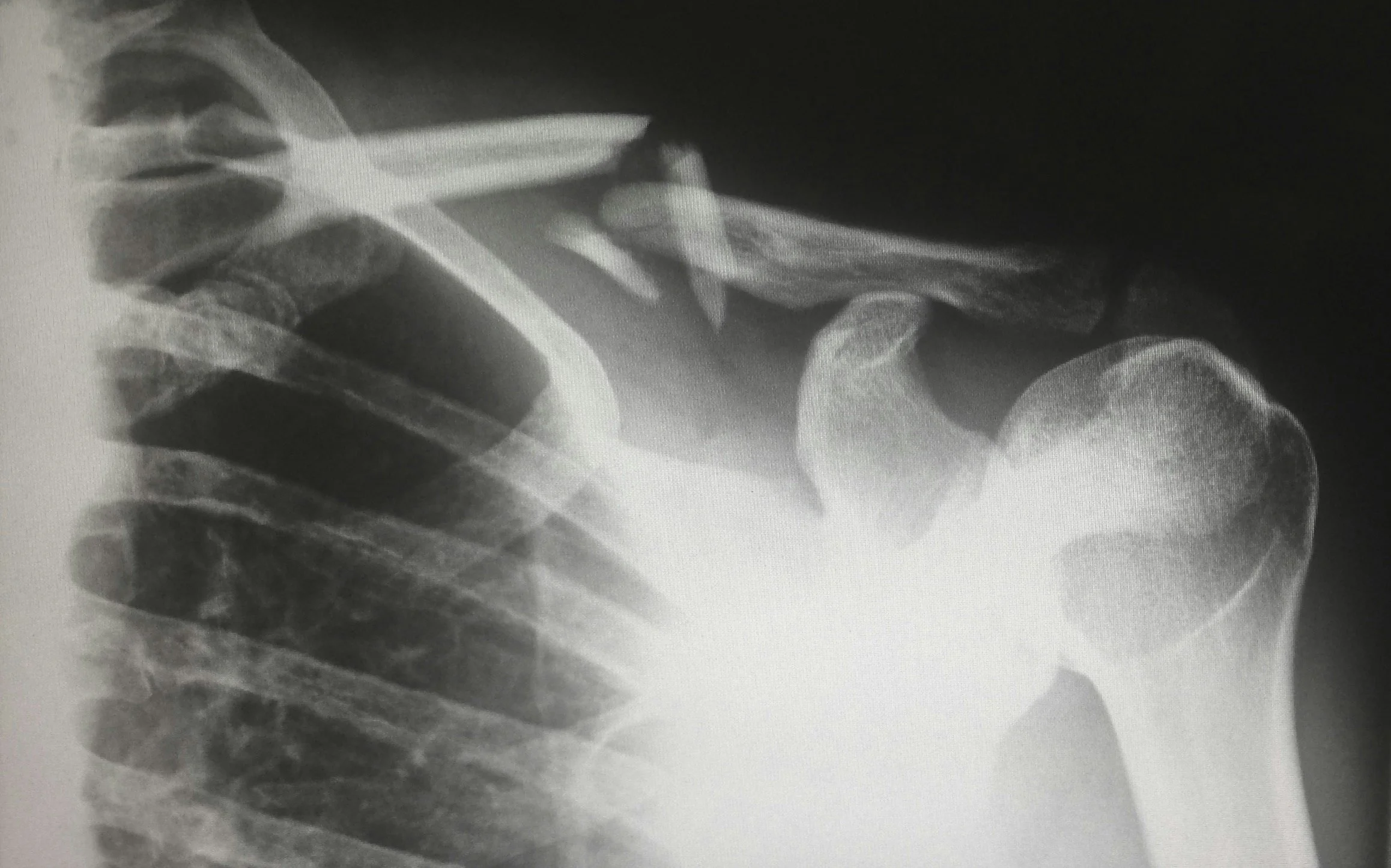
If you've had a trauma, such as a fall or a heavy impact, and you can't lift the shoulder, it looks a different shape, or you suspect a fracture or dislocation, don't wait. Go to your local A&E.
What Is Rotator Cuff-Related Shoulder Pain?
The rotator cuff is a group of muscles and tendons deep in the shoulder that help keep the joint stable and moving well. It's one of the most common sources of shoulder pain I see.
Over time these tendons can become weakened, irritated or degenerate with age. This can lead to tendon irritation, and sometimes tears, particularly where the tendons pass under the bony arch at the top of the shoulder (the subacromial arch). It's often aggravated by repetitive overhead movement, whether that's painting a ceiling, lifting at work or throwing a ball for the dog.
Work matters too. If you're a plasterer, painter and decorator, or in any job that involves frequent lifting, a shoulder that's been niggling for a long time can take longer to settle, simply because it has been under strain for so long.

Practical Advice For Managing Shoulder Pain
1. Be careful where your exercises come from. I regularly see people who've started shoulder exercises at home or in the gym, and it has made things worse. The right exercises depend on what's actually going on, so get them from a suitably qualified healthcare professional.
2. Try ice or heat. Some people find ice helps, others prefer heat. Use whichever feels better for you. Painkillers or anti-inflammatories can also help in the short term, provided they're suitable for you.
3. Look at your posture. Posture and shoulder pain are strongly linked, especially if you sit at a desk. With forward head posture, the head drifts forward, the shoulders and upper back round, and the breastbone drops. That changes where the shoulder blade sits and how the joint sits within it, which can leave the shoulder under more strain.
When To Get Help
If shoulder pain has been hanging around for more than a couple of weeks, is affecting your sleep or work, or keeps coming back, it's time to have it assessed. A proper examination can identify what's driving the pain, so your treatment and rehabilitation are matched to you rather than guesswork.
Book an appointment online at evolveosteopathy.co.uk, and I'll speak to you soon.