

If you've ever had pain that starts in your low back or buttock and travels down your leg, possibly all the way to your foot, you'll know how much it can take over. It can change how you walk, how long you can sit, how well you sleep and how you get through your working day. You may also know a friend or family member who has been through it.
I'm Tom Smith, an osteopath and naturopath at Evolve Osteopathy in Riccall, between York and Selby. Sciatica is something I see regularly in clinic, so here's a clear explanation of what's going on and what you can do.
Feel free to watch my video blog from my You Tube Channel below:
What Does Sciatica Feel Like?
People describe it very differently. For some it's a dull ache running from the buttock into the leg. For others it's a sharp, shooting, almost electrical pain. It can also come with:
Pins and needles
Numbness
Weakness in the leg or foot
If you recognise this, it's worth getting it assessed by a healthcare professional, whether that's an osteopath, a physiotherapist or your GP.
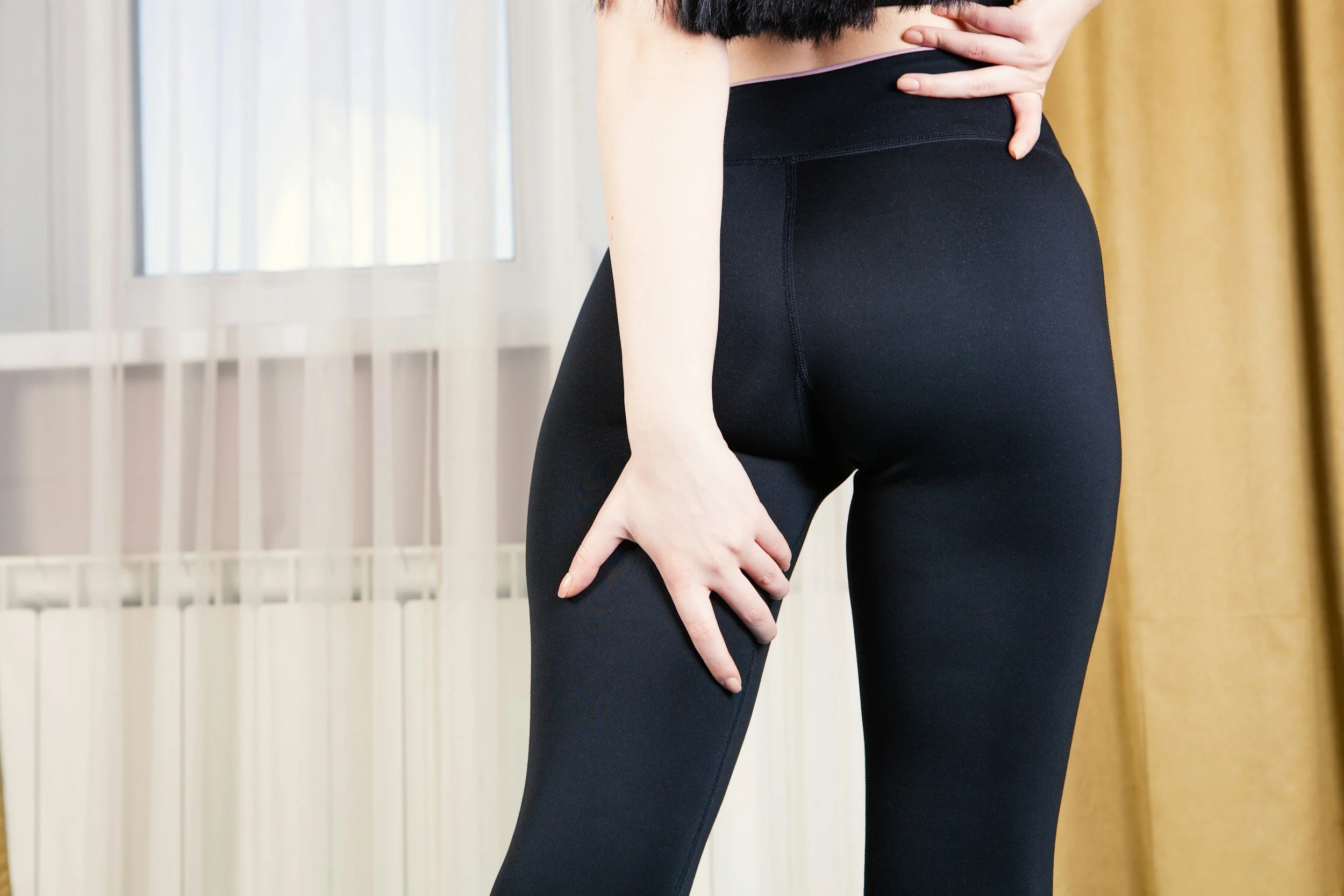
What Causes Sciatica?
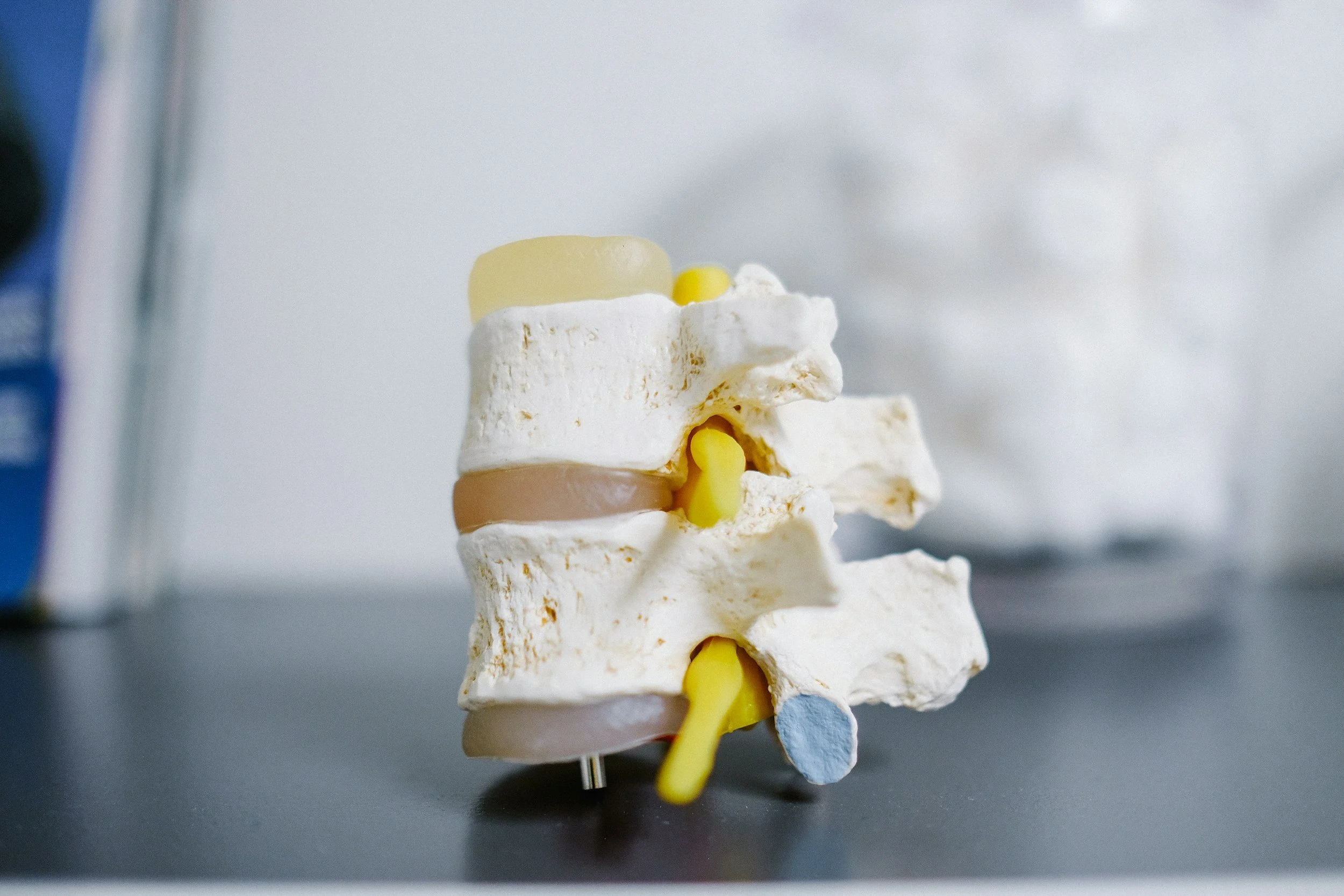
The sciatic nerve runs from the low back all the way down the leg and into the foot. Sciatica happens when that nerve is irritated or compressed somewhere along its path.
One of the most common reasons is the soft discs between the vertebrae. A disc may be irritated, inflamed or bulging, and that can aggravate the nerve. But the disc isn't the only possible cause. Muscle strain, muscle tightness and ligament problems can contribute, and so can age-related changes around the spine that narrow the space the nerves travel through.
This is why assessment matters. Not all leg pain is true sciatica. Some pain is referred from other structures in the back or pelvis, and part of my job is working out where your pain is actually coming from, because that shapes what will help.
Red Flags: When To Go To A&E
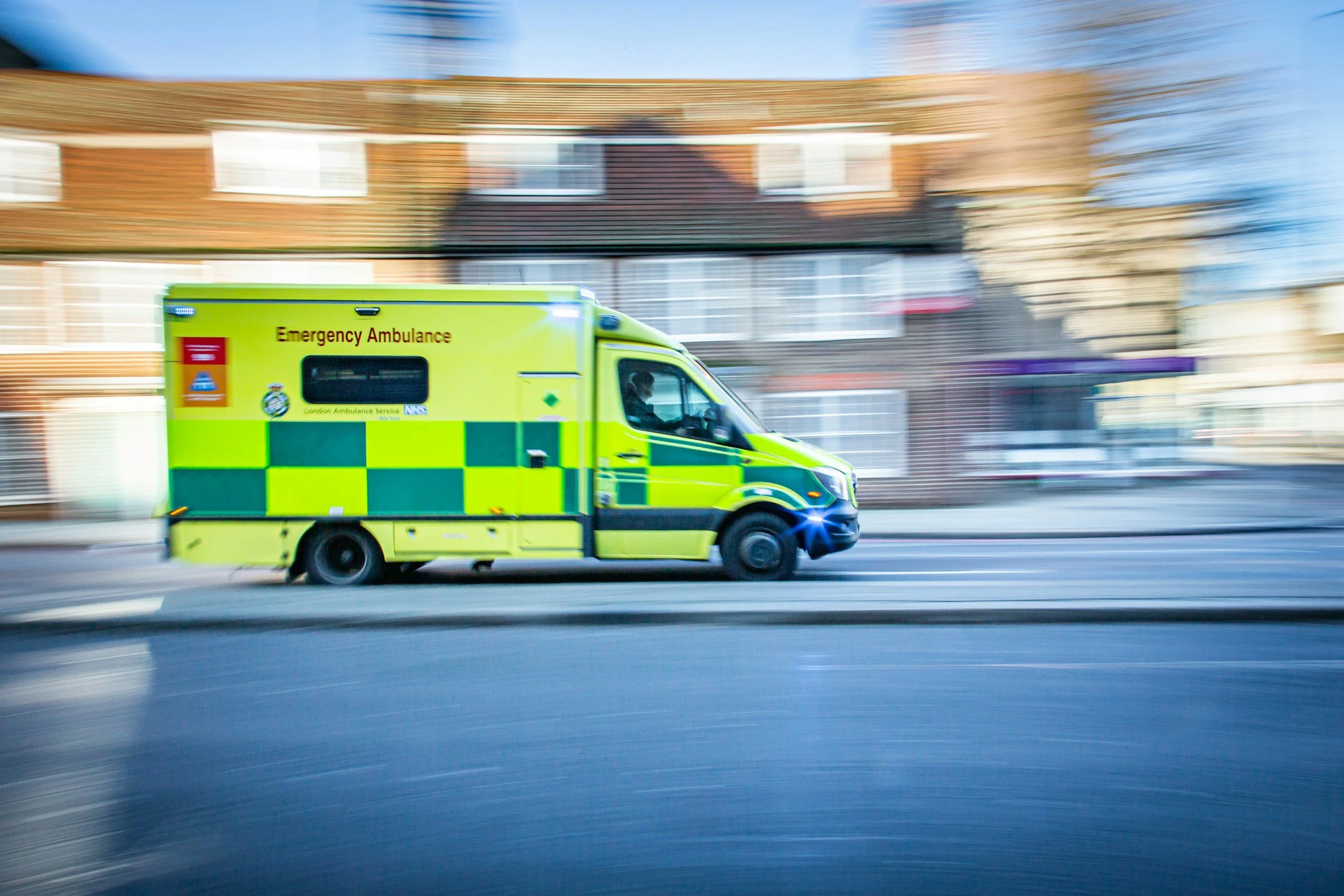
Most of the time, sciatica has a musculoskeletal cause. But a small number of symptoms are warning signs of a rare and serious condition called cauda equina syndrome. Go to A&E if you have any of the following:
Sciatica in both legs
Severe weakness or numbness that is getting worse
Changes in bladder or bowel function: needing to go but being unable to, accidents or incontinence, or not being able to feel when you're going
Numbness around the saddle area (your bottom and between your legs)
Sexual dysfunction, such as difficulty maintaining an erection
We stress this a lot in clinic because delays in getting an MRI scan and, where needed, emergency surgery can affect long-term bladder and bowel function. If in doubt, go.
How Sciatica Affects Daily Life
Sciatica can change how you walk and sit, and it can disrupt work and sleep. If sleep is a struggle:
Side sleeping: place a pillow between your knees
Back sleeping: place a pillow under your knees

What Can You Do First?
The first port of call for managing and treating sciatica is to keep moving. When we're in pain it's tempting to sit all day or retreat to bed, but that tends to make you stiffer and can make things worse. Regular, gentle movement helps. Exercises I've covered on my YouTube channel include:
Lumbar extension (McKenzie-type exercises)
If you're in a lot of pain, painkillers such as paracetamol or Non-Steroidal Anti-inflammatories such as ibuprofen may help. If they aren't touching it, speak to your pharmacist or GP. Heat packs, ice packs or even a bag of frozen peas on the low back can also give some relief.
If these measures aren't helping, that's the point to seek professional help.
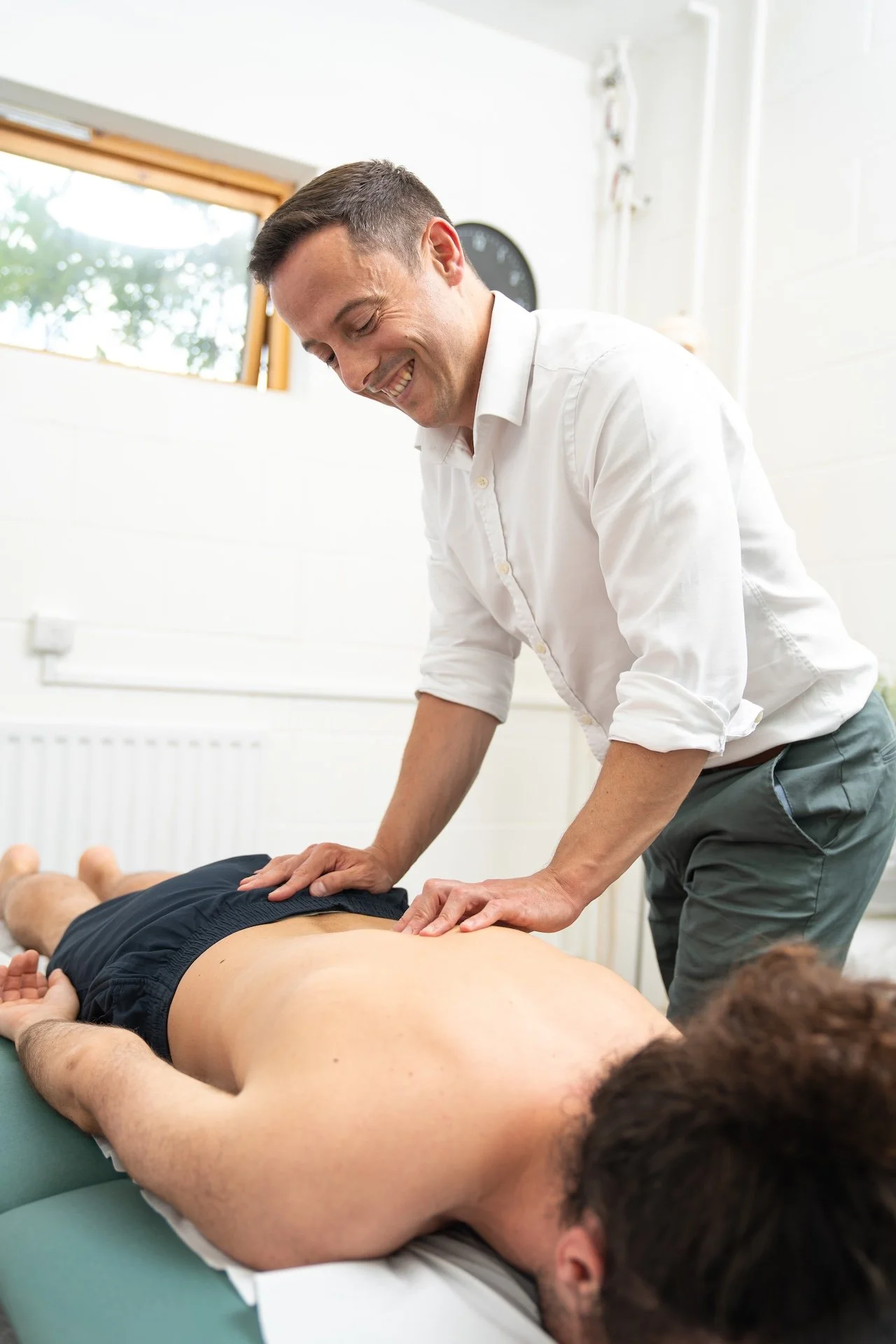
If This Sounds Like You, Here's How We Begin
If you're dealing with leg pain and you're based around York or Selby, you don't have to work it out alone.
Your first appointment at Evolve Osteopathy is a consultation and treatment on the same day. I'll take a thorough history, examine your back, hips and nerve function to work out whether this is true sciatica or referred pain, explain what I think is going on in plain language, and start treatment so you leave with a clear plan and things you can do at home.
I'm at the Riccall Regen Centre, between York and Selby, Tuesday to Friday. You can book online at www.evolveosteopathy.co.uk.
This article is general information and isn't a substitute for personal medical advice. If you have any of the red flag symptoms above, go to A&E.