
If you get pain under your heel or along the sole of your foot, especially first thing in the morning, after a long walk, or at the end of a day on your feet, you're in very good company. This is one of the most common foot complaints I see, and it's often one of the most frustrating, particularly if you've already tried ice, rest and painkillers and it still hasn't settled.
In this blog I'll explain what's going on, why it can hang around, and the things people often overlook.
Feel free to watch my video blog from my You Tube Channel below:
Plantar Fasciitis or Plantar Fasciopathy?
You'll hear both terms, and they're often used interchangeably. The plantar fascia is a thick band of dense connective tissue that runs from the heel bone along the sole of the foot and into the toes.
The reason many of us now say "fasciopathy" rather than "fasciitis" is that the "itis" part implies inflammation, and inflammation isn't thought to be the main driver of the pain any more. Instead, the problem is usually unwanted or excessive load going through the fascia. Over time the tissue can become more disorganised, hold more fluid, and even develop extra small blood vessels and nerve fibres, which can all add to the pain.
Why Can It Take So Long To Settle?
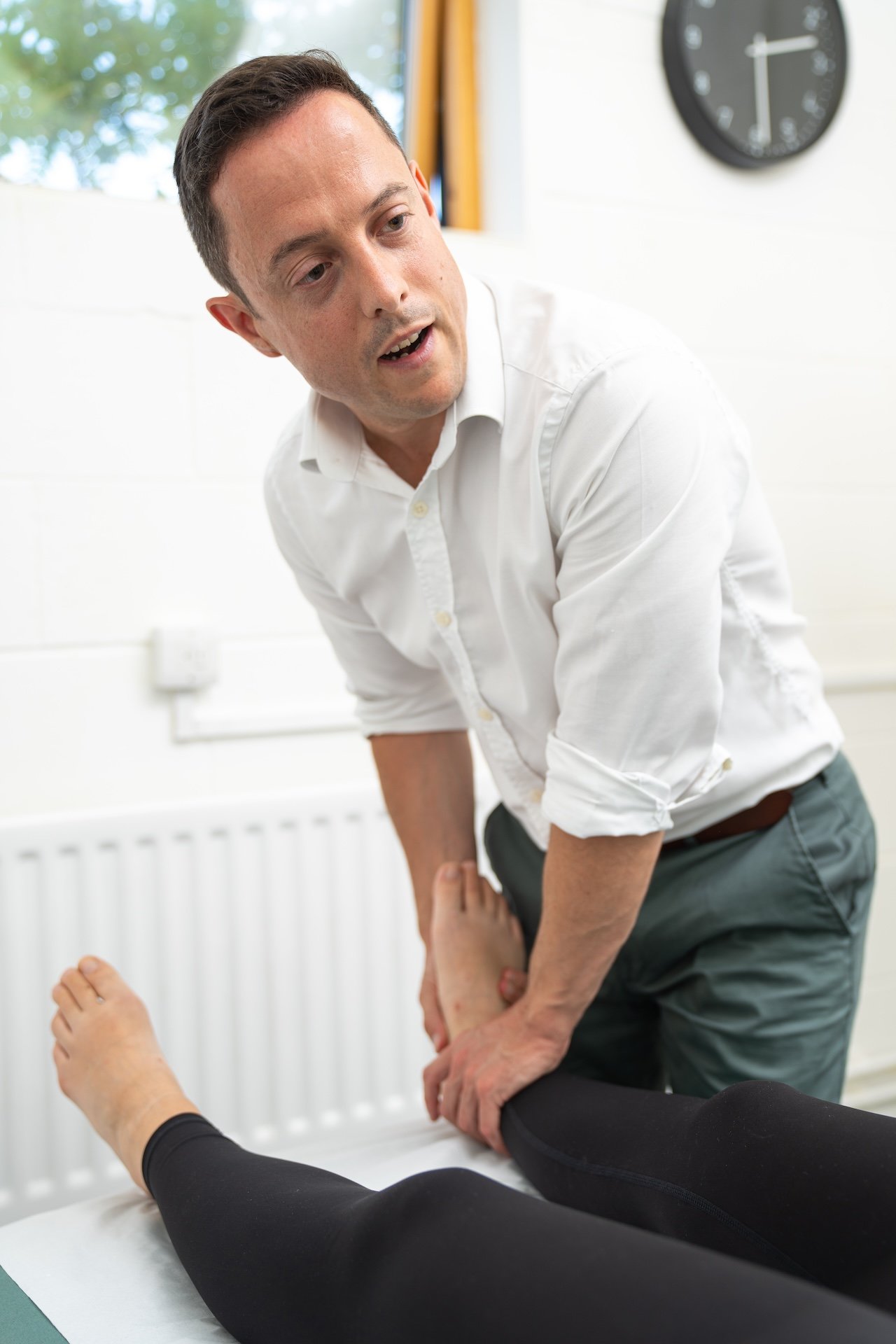
The plantar fascia doesn't have a great blood supply, so it's slow to heal. It isn't unusual for symptoms to last many months, in some cases up to a year. The good news is that the success rate is very good when the right things are done and the contributing factors are addressed, not just the sore spot itself.
The Foot Is A Shock Absorber
When your heel strikes the ground, the plantar fascia helps absorb the shock. Problems tend to creep in when that system is overloaded, for example:
Walking on hard surfaces
Unsupportive footwear (or going barefoot, or in sandals and flip flops, when you're not conditioned for it)
Stiffness in the midfoot, or a higher arch
A foot that rolls in or collapses (over-pronation) as you walk, so the fascia is stretched under load
Weakness in the small intrinsic muscles of the foot
Extra load on the body, such as being overweight or pregnant
The classic example is the holiday where you're walking around the pool and across hot, hard tiles in flip flops. The feet simply aren't ready for it.
It Isn't Always About The Foot
This is the part that often surprises people. The foot sits at the bottom of the kinetic chain, so problems higher up can show up there.
Take the pelvis. Picture it as a bowl. If it tips forward (an anteriorly rotated pelvis), it can load the inner arch of the foot a little more. That can go hand in hand with muscle imbalance: overworked muscles at the front of the thigh and weaker, underactive glutes and hamstrings.
When the glute medius muscles on the side of the hip are weak, the pelvis can drop to the opposite side every time you take a step. In clinic we call this a Trendelenburg sign. It changes how load travels down the leg and into the foot. Strengthening those hip muscles can have a real effect on how the foot behaves.
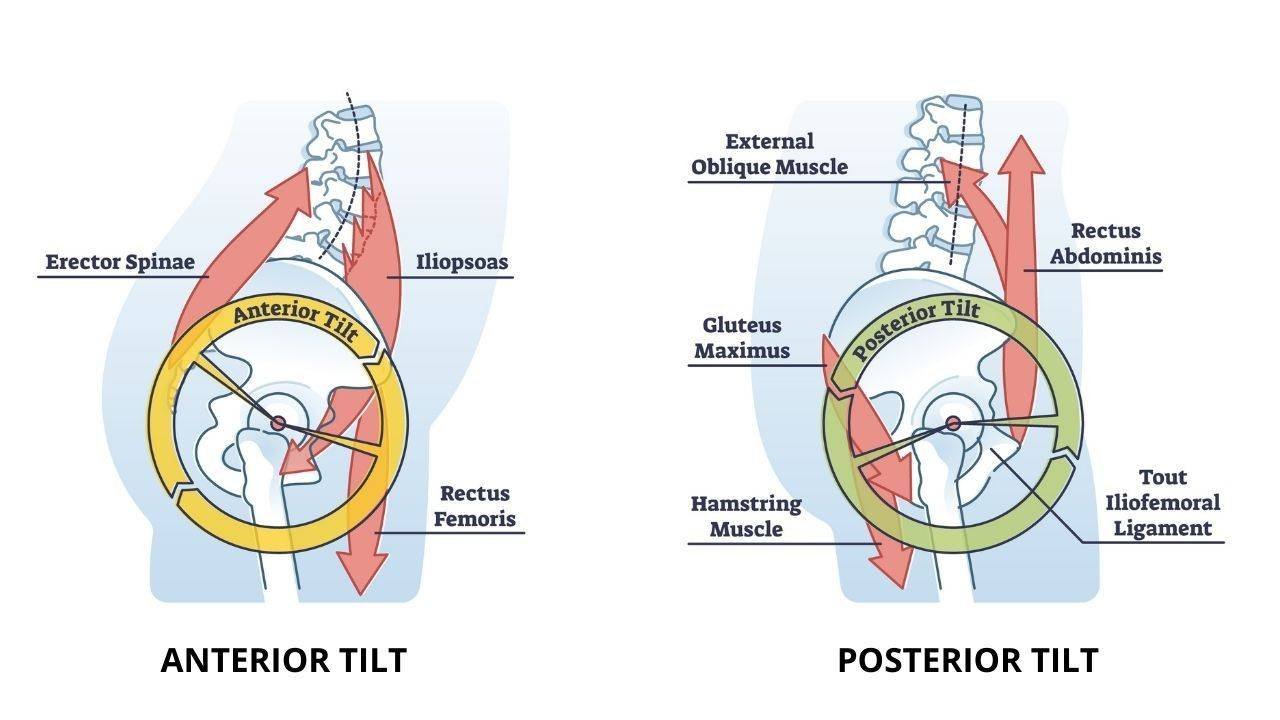
Ref: corebalancetraining.com
The Calf Connection
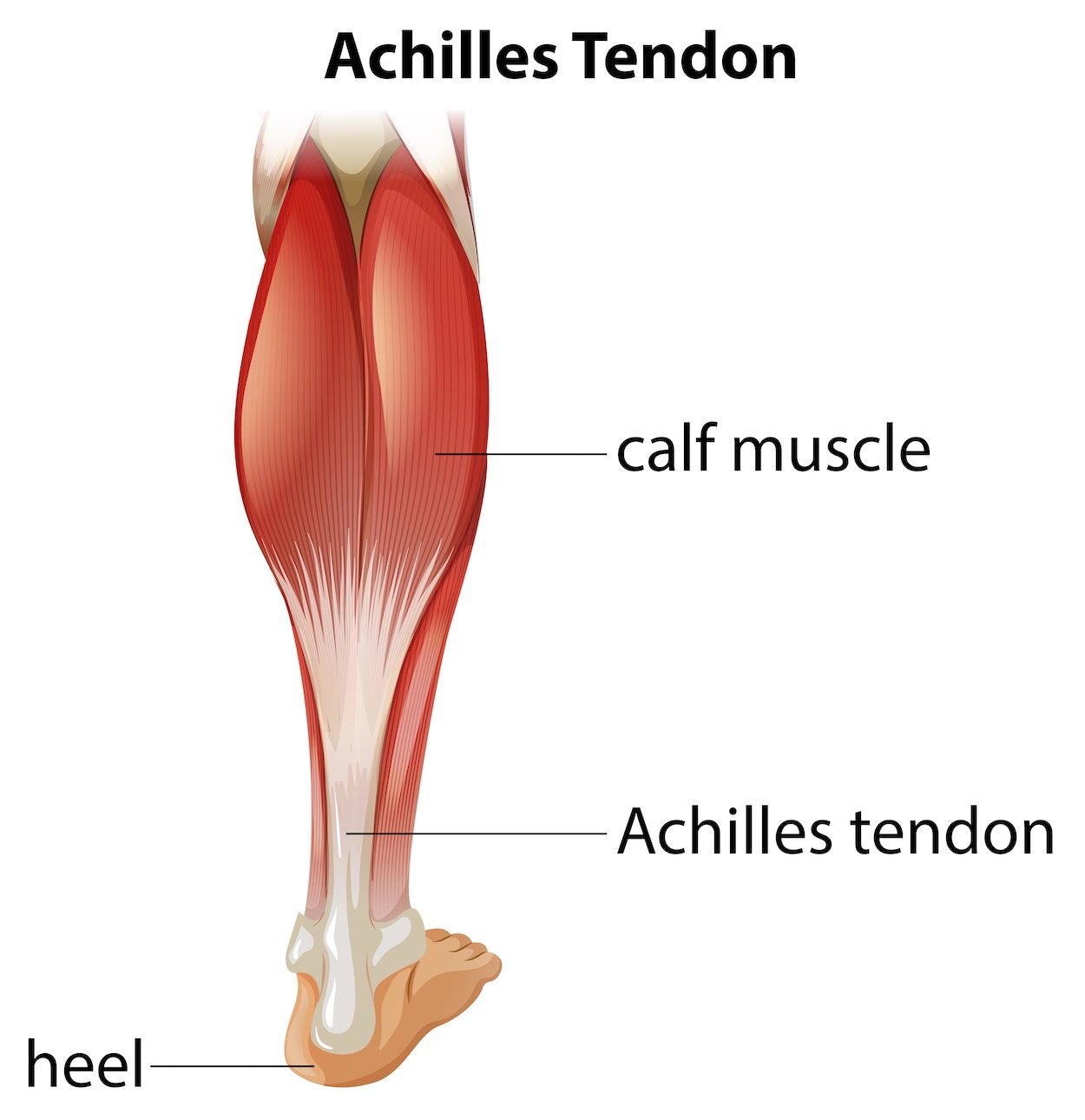
Your calf muscles merge into the Achilles tendon, which attaches to the heel bone. If the calves are tight, they pull on the heel and add tension to the plantar fascia. Releasing the calf muscles and following a regular stretching routine can make a big difference.
What Can You Do At Home?
Support the foot. An over-the-counter insole is the usual first step and can give the foot extra support while it's sore. A podiatrist can provide something custom made.
Choose supportive footwear and build up time on hard surfaces gradually.
Stretch your calves regularly.
Start strengthening the hips and glutes, and the small muscles of the foot.
Be patient but consistent. Because this tissue is slow to heal, steady, sensible loading beats short bursts of effort.
If you're not sure which of these apply to you, that's exactly what a proper assessment is for.
How Osteopathy Can Help
In clinic I look at the whole picture: your foot and ankle mechanics, calves, hips, pelvis and the way you move, because the cause is rarely only in the foot. Hands-on treatment can release tight calves and restricted joints, and I'll give you a clear programme to do at home. My approach follows three phases, Pain Relief, Corrective and Wellness: first calming things down, then fixing what's driving the problem, then keeping you moving well so it doesn't keep coming back.
If This Sounds Like You, Here's How We Begin
Your first appointment is a full consultation and treatment on the same day. We'll talk through your story, assess how your feet, hips and whole body are moving, and you'll leave having had treatment and with a plan of what to do next, including any stretches or exercises to start at home.
I'm based at the Riccall Regen Centre, between York and Selby.
Tom Smith (M.Ost, DO, ND) is a GOsC-registered osteopath and naturopath. This article is for general information and isn't a substitute for personal medical advice.