
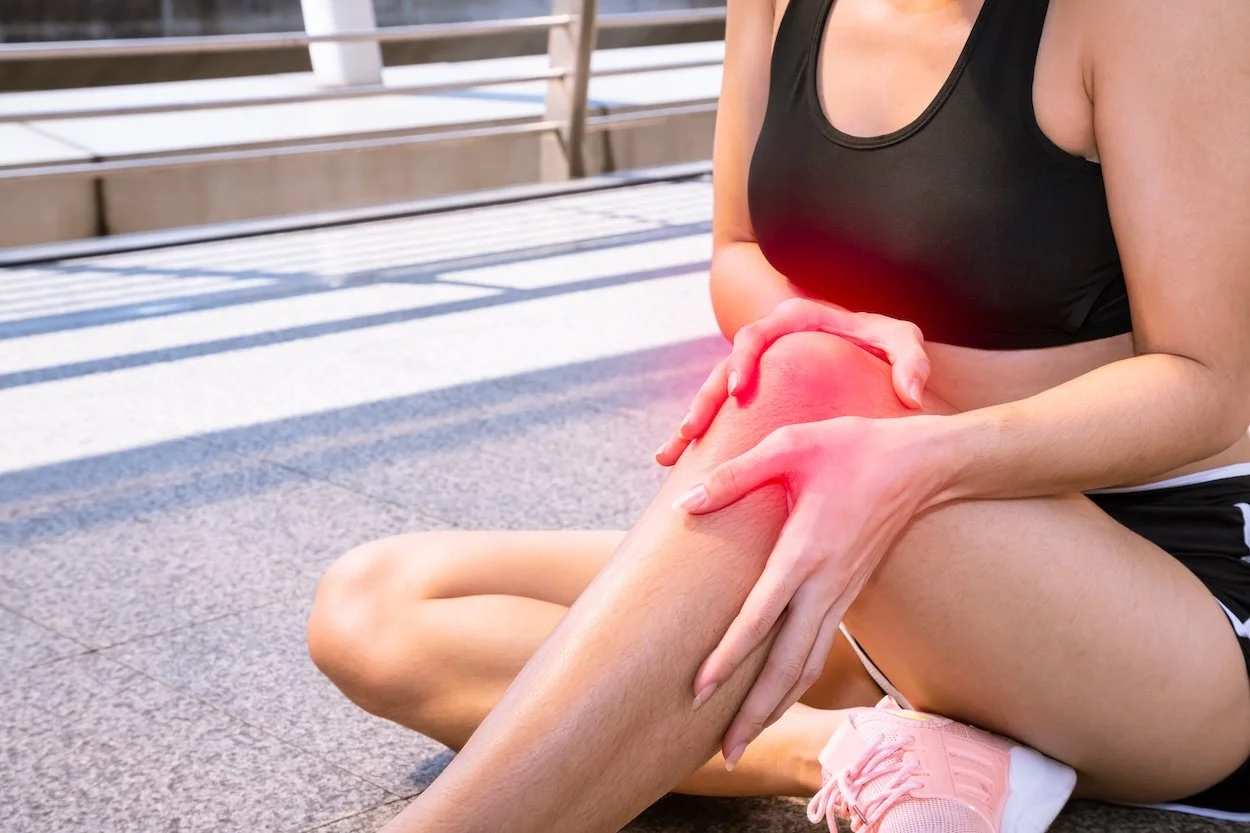
If you run, cycle or train for triathlons and you’ve got pain on the outside of your knee, there’s a good chance someone has told you it’s iliotibial band syndrome, or ITB syndrome for short. There’s also a good chance you’ve already tried the usual fixes at home: foam rolling, stretching, a few exercises from the internet.
If the pain keeps coming back, it’s worth asking why.
I’m an osteopath and naturopath at the Riccall Regen Centre, between York and Selby, and ITB syndrome is something I’ve dealt with myself. I used to race triathlons, run cross country and play rugby and football, so I know how frustrating it is when knee pain gets in the way of training, especially with a first marathon or triathlon on the horizon.
Feel free to watch my video blog from my You Tube Channel below:
What is the ITB?
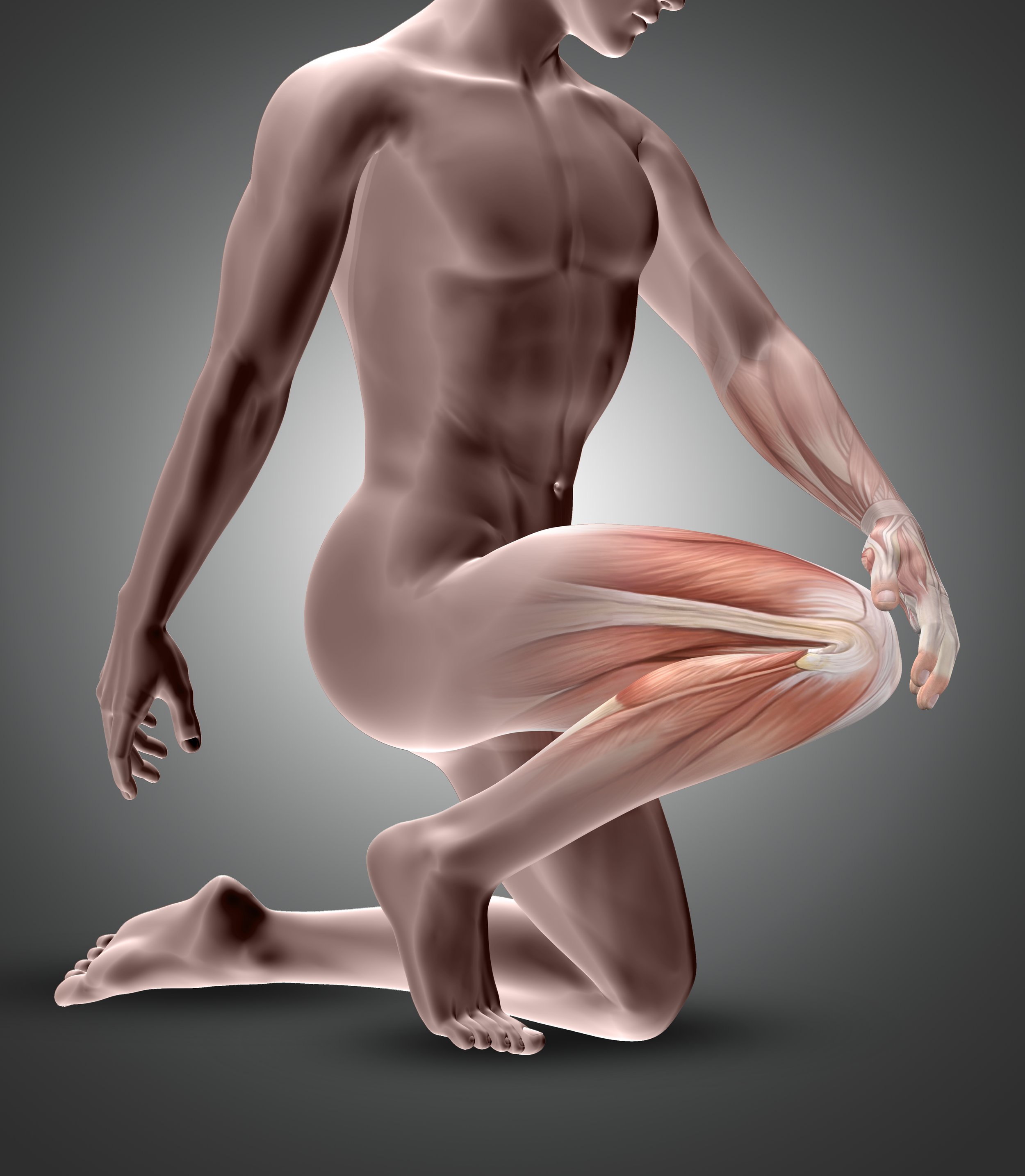
The iliotibial band is a thick strip of connective tissue running down the outside of the thigh to the knee. It’s part of a root and branch system: fibres from tensor fasciae latae (at the front of the pelvis) feed into it, and so do the gluteus maximus and gluteus medius muscles. A large proportion of the glute maximus fibres merge into the band.
So the ITB isn’t a standalone structure. It’s the end point of a lot of muscular and fascial tension from the hip and pelvis.
Why Does It Hurt At The Knee?
When the knee is straight, the band sits in front of the outer knob of the thigh bone (the lateral femoral condyle). As the knee bends to around 30 degrees, it moves behind it. In running and cycling, that happens thousands of times per session, and the repetition can irritate the tissue at the outside of the knee. Some people feel it at the hip too.
That explains where the pain shows up. It doesn’t explain why it’s there in the first place.
Why Foam Rolling Often Isn’t Enough
Most people head straight for the foam roller and roll the ITB hard. The band is a tough fibrous structure, and if the tension is coming from somewhere else, rolling the knee end is working on the symptom rather than the cause.
When I assess someone with outer-knee pain, I’m asking questions like:
Training load: have you increased mileage or intensity too fast, too soon?
The pelvis, lumbar spine, neck and head: is there a restriction higher up that’s changing how load travels down the leg?
The foot and ankle: can the ankle move properly into plantarflexion and dorsiflexion? Is the arch of the foot (the cuboid and navicular are the keystone) absorbing and releasing load as it should?
The fibula: is it moving well at both the knee and the ankle?
The knee itself: are the other ligaments (ACL, medial and lateral collateral) healthy?
If the foot can’t decompress and absorb shock properly, or the pelvis is holding extra tension, the knee often takes the strain. The knee pain is the symptom, not necessarily the cause.
What Can Osteopathy Do?
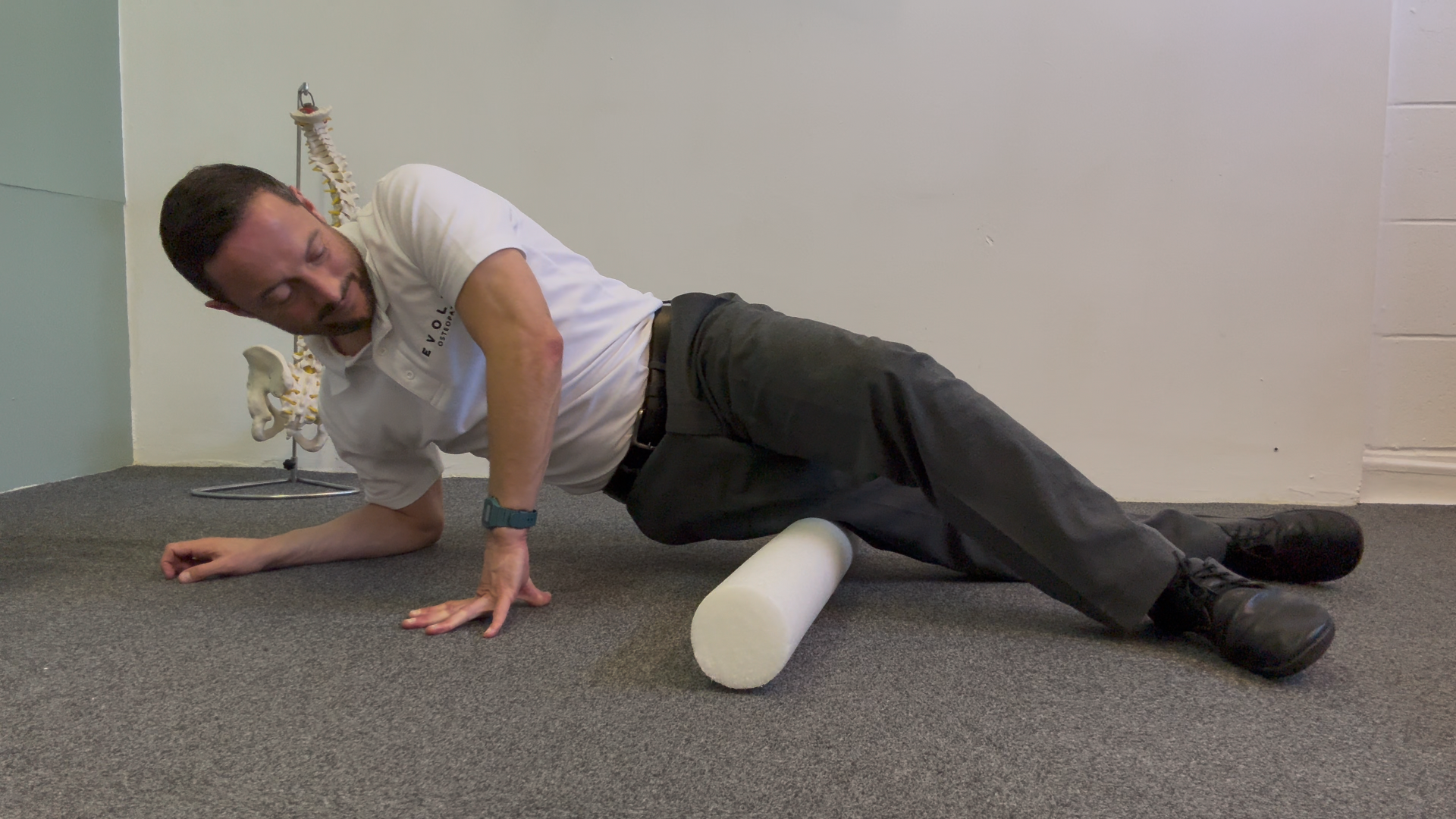
In clinic, we look at the whole kinetic chain: the head and neck, thoracic and lumbar spine, pelvis, and down into the foot and ankle, and how each affects the others. The aim isn’t just to settle the pain, it’s to find out why your knee is being overloaded and address that, alongside sensible guidance on training load so you can get back to running or riding with confidence.
Tom Smith, M.Ost, DO, ND, is a GOsC-registered osteopath and naturopath at Evolve Osteopathy, Riccall Regen Centre.
Ready To Get Started?
Your first visit is a Consultation & Assessment. We’ll talk through your history and what might be driving the problem, then examine how you move. Where it’s appropriate, you’ll start treatment on the day, so you leave with some relief and a clear idea of what’s going on and what comes next.