
Plantar Fasciitis Treatment in York & Selby
Plantar fasciitis is one of the most common causes of heel pain. It occurs when the plantar fascia — a thick band of connective tissue running along the bottom of the foot — becomes irritated or overloaded.
The plantar fascia helps support the arch of the foot and absorb forces during walking and running. When this tissue becomes strained, pain and stiffness can develop, particularly during the first steps after resting.
What is Plantar Fasciitis?
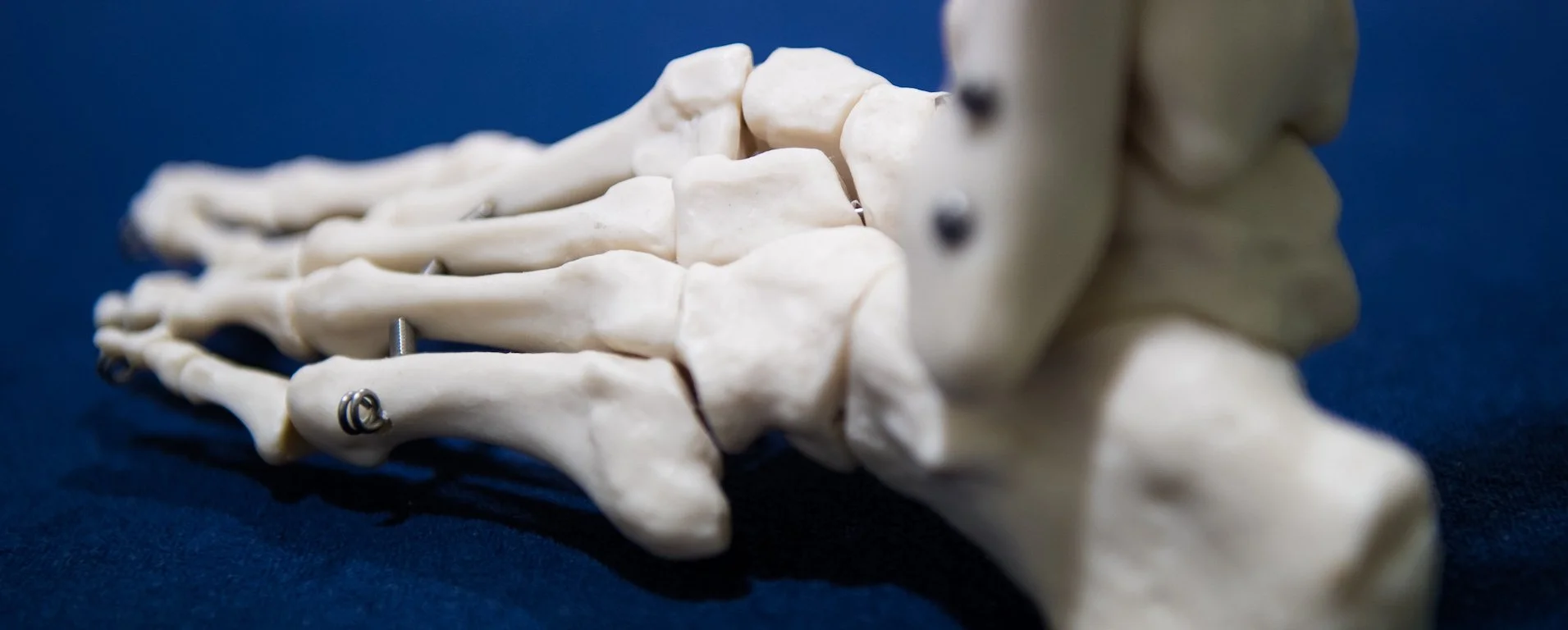
The plantar fascia connects the heel bone to the toes and plays an important role in maintaining the structure of the foot.
Plantar fasciitis may present as:
Sharp pain in the bottom of the heel
Pain with the first steps in the morning
Discomfort after standing or walking for long periods
Tenderness when pressing the heel
Tightness in the arch of the foot or calf
Symptoms often improve slightly as the foot warms up but may return later in the day.
Why Does Plantar Fasciitis Develop?
Plantar fasciitis typically develops due to repeated strain on the tissues of the foot. Tight calf muscles, reduced ankle mobility, prolonged standing, increased activity levels or changes in footwear can all contribute to increased load on the plantar fascia.
Because the feet form the foundation of the body, problems higher up the chain — such as reduced mobility in the ankles, knees, hips or lower back — can also increase strain through the foot.
Identifying the contributing factors is key to successful management.
Why Can Plantar Fasciitis Persist or Recur?
Heel pain can sometimes improve temporarily but return if the underlying mechanical stresses remain unchanged. Tight calf muscles, reduced ankle movement, or repetitive loading patterns can continue to irritate the tissue.
A structured assessment helps identify whether the problem is primarily related to the foot itself or influenced by other areas of the body.

How Osteopathy Can Help
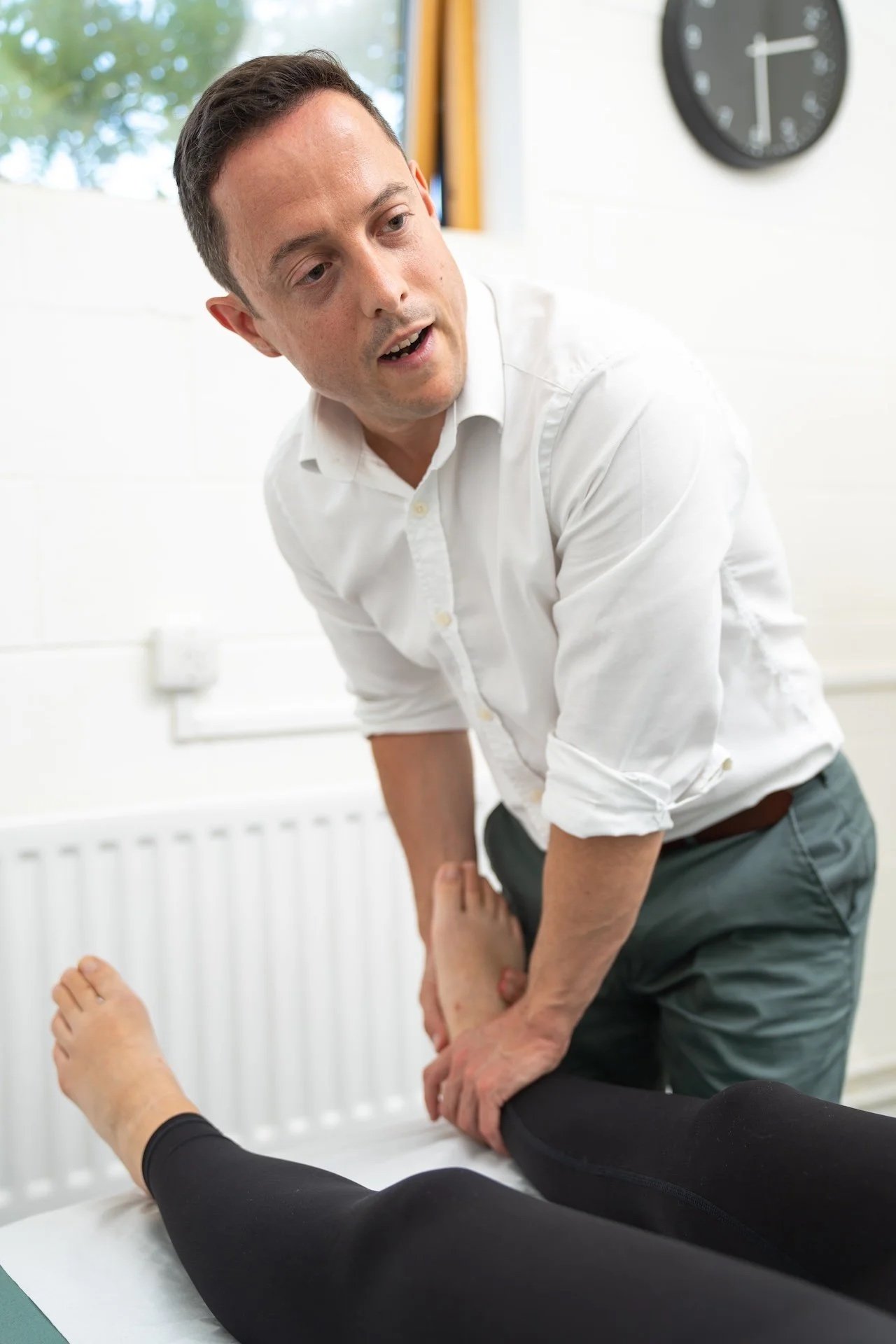
At Evolve Osteopathy, plantar fasciitis is approached by looking at the function of the entire lower limb.
01 Initial Consultation
A detailed case history and physical examination assessing foot mechanics, ankle mobility, calf tension and overall movement patterns.
02 Plan of Action Appointment
A clear explanation of what may be contributing to your symptoms and a personalised plan for recovery.
03 Start Treatment
Management may include osteopathic manual therapy, soft tissue work, mobility exercises and advice on activity modification.
The aim is to reduce strain on the plantar fascia while improving overall movement efficiency.
When Should I Seek Urgent Medical Advice?
Seek medical advice if heel pain is associated with:
Sudden severe pain after injury
Inability to walk or bear weight
Persistent swelling or redness
Symptoms that do not improve with rest
These may require further investigation.
FAQs
Does plantar fasciitis always require orthotics?
Not always. While some people benefit from arch support, addressing mobility, muscle balance and movement patterns can also play an important role in recovery.
How long does plantar fasciitis take to improve?
Symptoms often improve gradually with appropriate management, though recovery time varies depending on activity levels and contributing factors.
Should I stop exercising?
In most cases, activity can continue with modification rather than complete rest. Guidance is discussed during your assessment.
Book a Plantar Fasciitis Consultation
If you are based in Riccall, Selby or York and experiencing heel pain, you can book a consultation to begin a structured assessment.