
Hip Pain Treatment in York & Selby
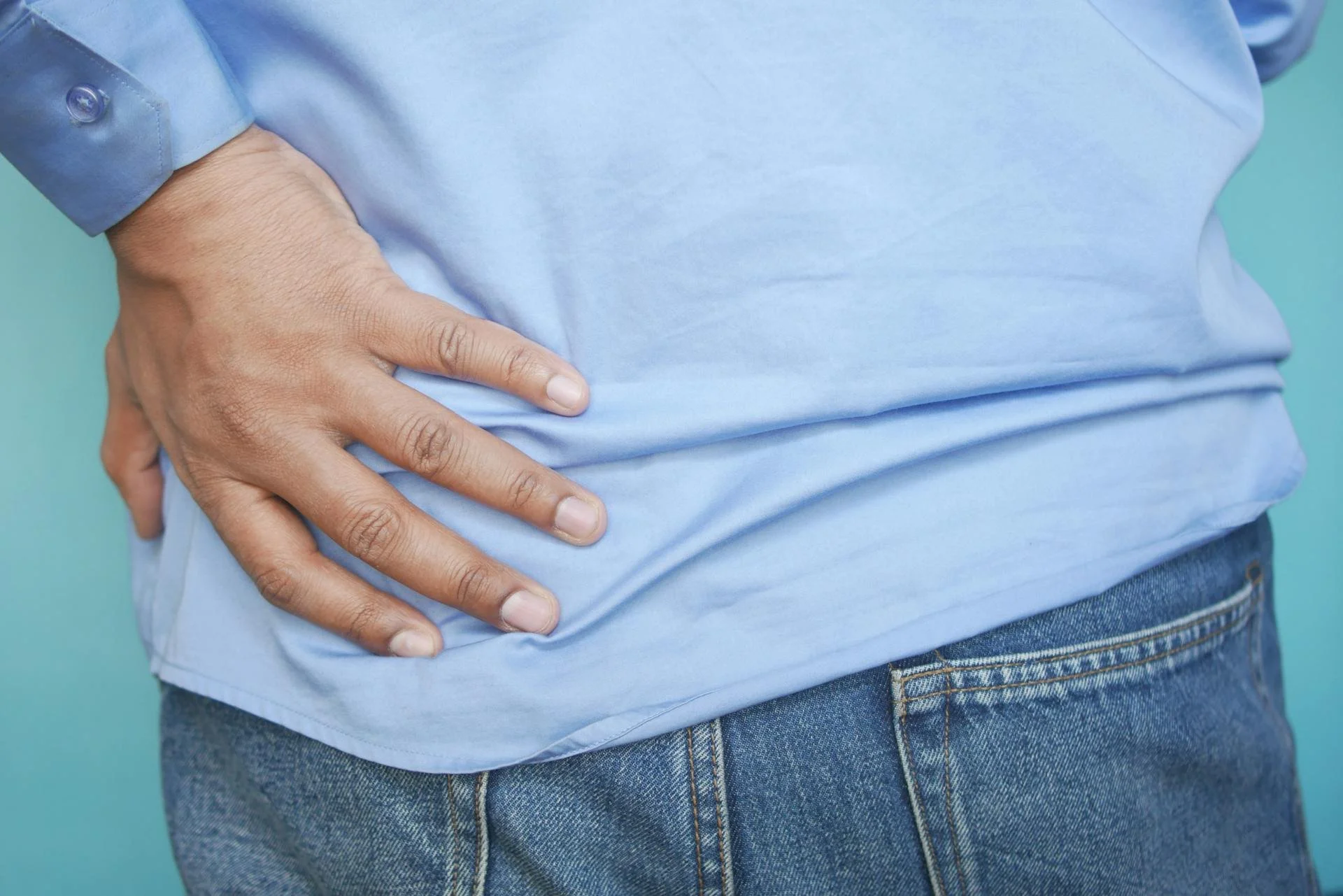
Hip pain can make everyday activities like walking, sitting, climbing stairs, or sleeping uncomfortable. The hip is a powerful joint designed to support your body weight and allow smooth movement, but when the muscles, joints, or surrounding tissues become irritated or restricted, pain and stiffness can quickly develop.
At Evolve Osteopathy, we take the time to understand not just where the pain is, but why it developed in the first place. Hip pain is often influenced by the way the body moves as a whole, including the lower back, pelvis, knees, and feet.
Symptoms of Hip Problems
The hip is a ball-and-socket joint connecting the thigh bone (femur) to the pelvis. It works closely with the lower back, pelvis and surrounding muscles to support movement and stability.
Hip problems may present as:
Pain in the groin, outer hip or buttock
Stiffness when walking or climbing stairs
Discomfort when lying on one side
Pain spreading into the thigh or knee
Reduced hip mobility or difficulty moving the leg
The exact symptoms often depend on which tissues are irritated and how movement patterns affect the joint.

Why Does Hip Pain Develop?
Hip pain commonly develops when the joint or surrounding tissues are exposed to repeated strain or reduced mobility. Tight hip flexors, weak gluteal muscles, prolonged sitting, or altered walking patterns can all place increased stress on the hip joint. In some cases the source of the pain may originate from the lower back or pelvis, with discomfort referring into the hip region.
Reduced movement in neighbouring joints — such as the lumbar spine or knees — can also increase the load placed on the hip.
Identifying the contributing factors is an important step in managing hip pain effectively.
Why Can Hip Pain Persist or Recur?
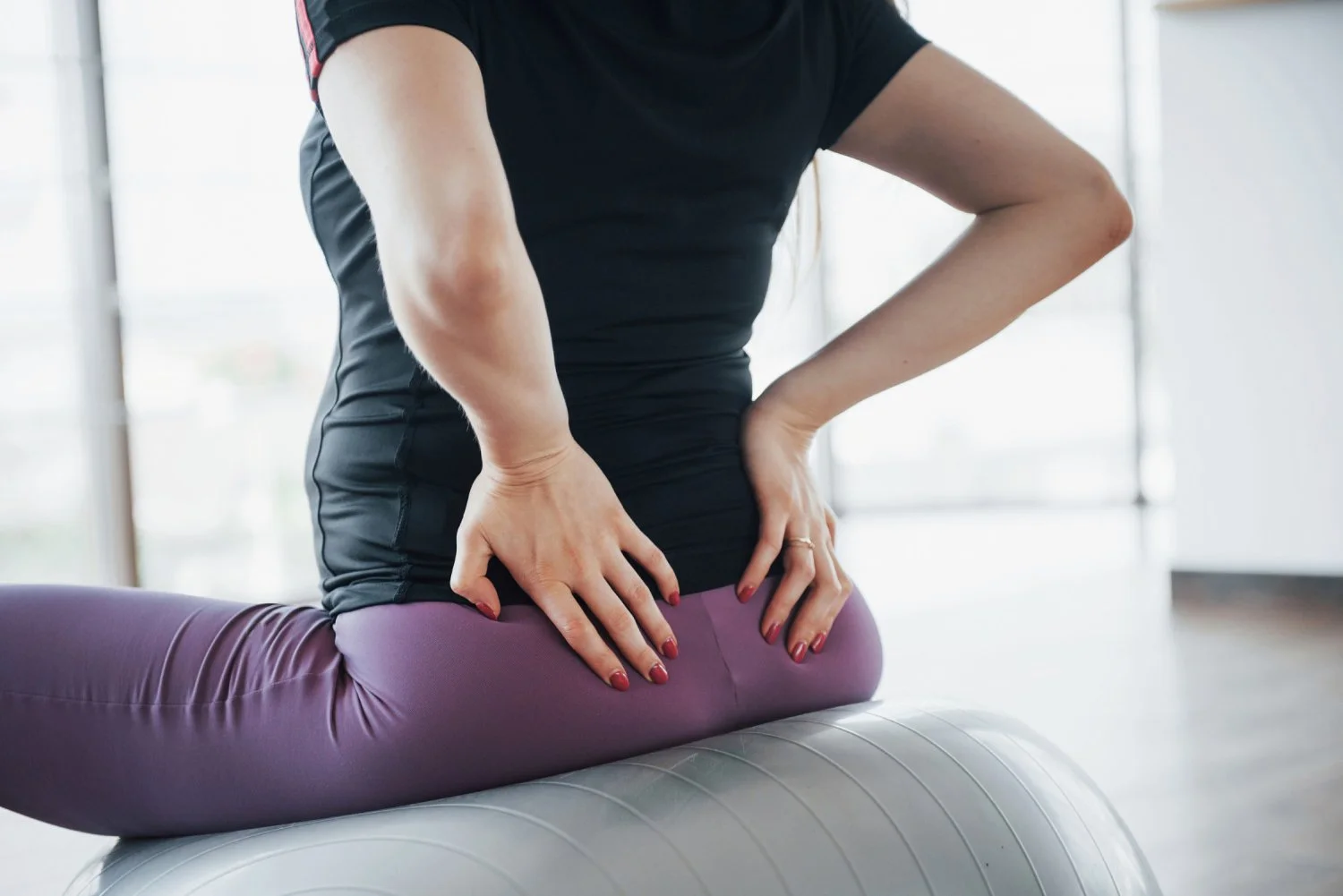
Hip symptoms can settle temporarily but return if underlying movement habits or mechanical stresses remain unchanged. Prolonged sitting, repetitive movements, reduced hip strength or mobility, and postural load can all contribute to recurring irritation.
A structured assessment helps determine whether the symptoms are primarily related to the hip joint itself or influenced by surrounding structures such as the spine or pelvis.
How Osteopathy Can Help
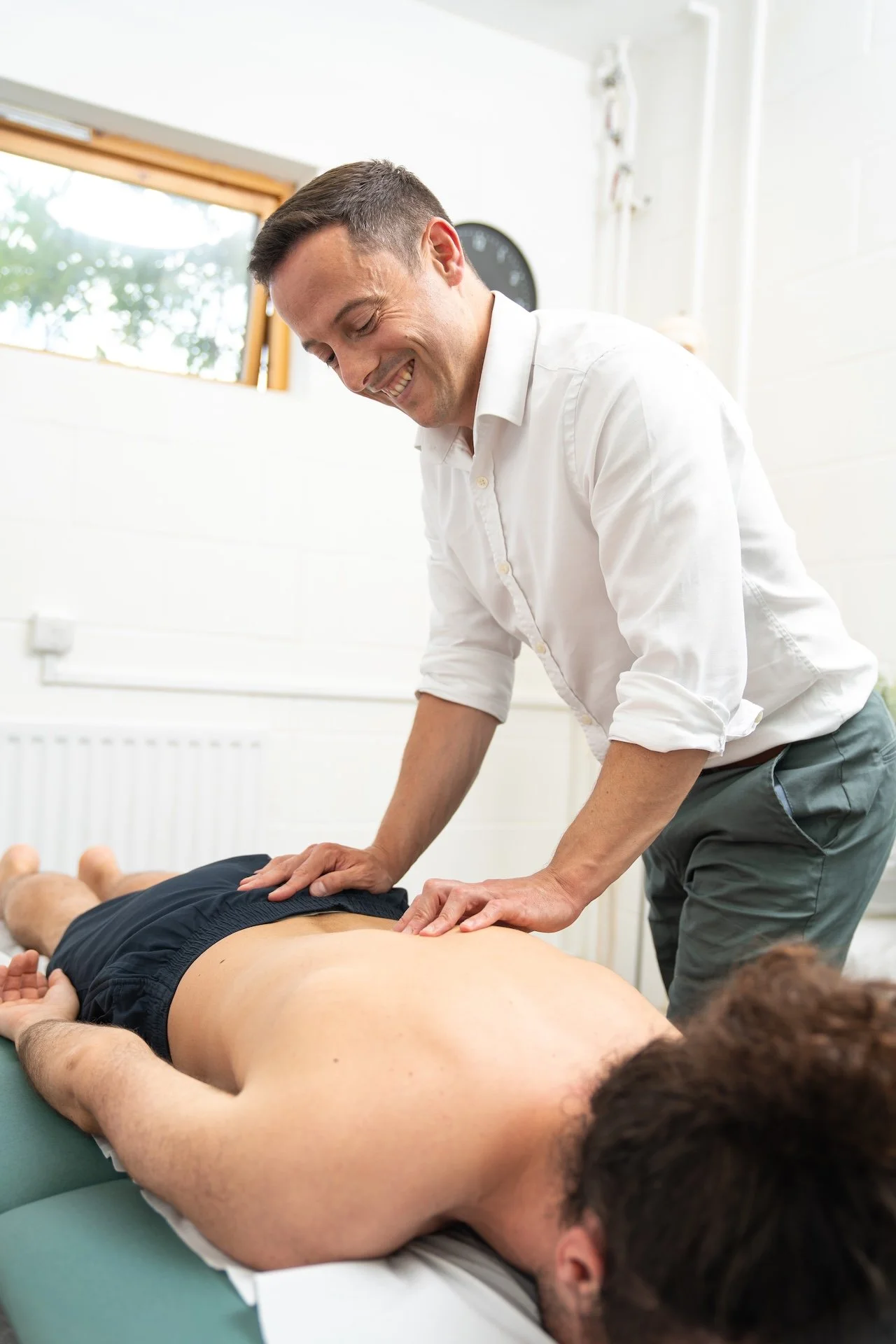
At Evolve Osteopathy, hip pain is managed through a structured approach aimed at understanding the root cause of symptoms.
01 Initial Consultation
A detailed case history and examination to assess hip mobility, spinal movement, muscle balance and walking mechanics. Screening for red flags is also carried out to ensure conservative care is appropriate.
02 Plan of Action Appointment
A clear explanation of what may be contributing to your symptoms, along with realistic expectations for recovery and a personalised plan.
03 Start Treatment
Management may include osteopathic manual therapy, mobility work, strengthening exercises and advice on posture and daily activity.
The aim is to restore movement, reduce strain and help prevent recurrence.
When Should I Seek Urgent Medical Advice?
Seek medical attention if hip pain is associated with:
Inability to bear weight on the leg
Severe pain following a fall or injury
Persistent night pain or unexplained weight loss
Fever or signs of infection around the joint
These symptoms require further medical evaluation.
FAQs
Is hip pain always caused by arthritis?
No. While arthritis can contribute to hip pain, many cases are related to muscle imbalance, joint stiffness, tendon irritation or movement patterns.
Can hip pain come from the lower back?
Yes. The lower back and hip are closely connected, and spinal issues can sometimes refer pain into the hip region.
How long does hip pain take to improve?
Recovery varies depending on the underlying cause and how long symptoms have been present. Your recovery plan is discussed during your Report of Findings appointment.
Book A Sciatica Consultation
If you are based in Riccall, Selby or York and experiencing hip pain, you can book a consultation to begin a structured assessment.