
What Does An Osteopath Actually Do?
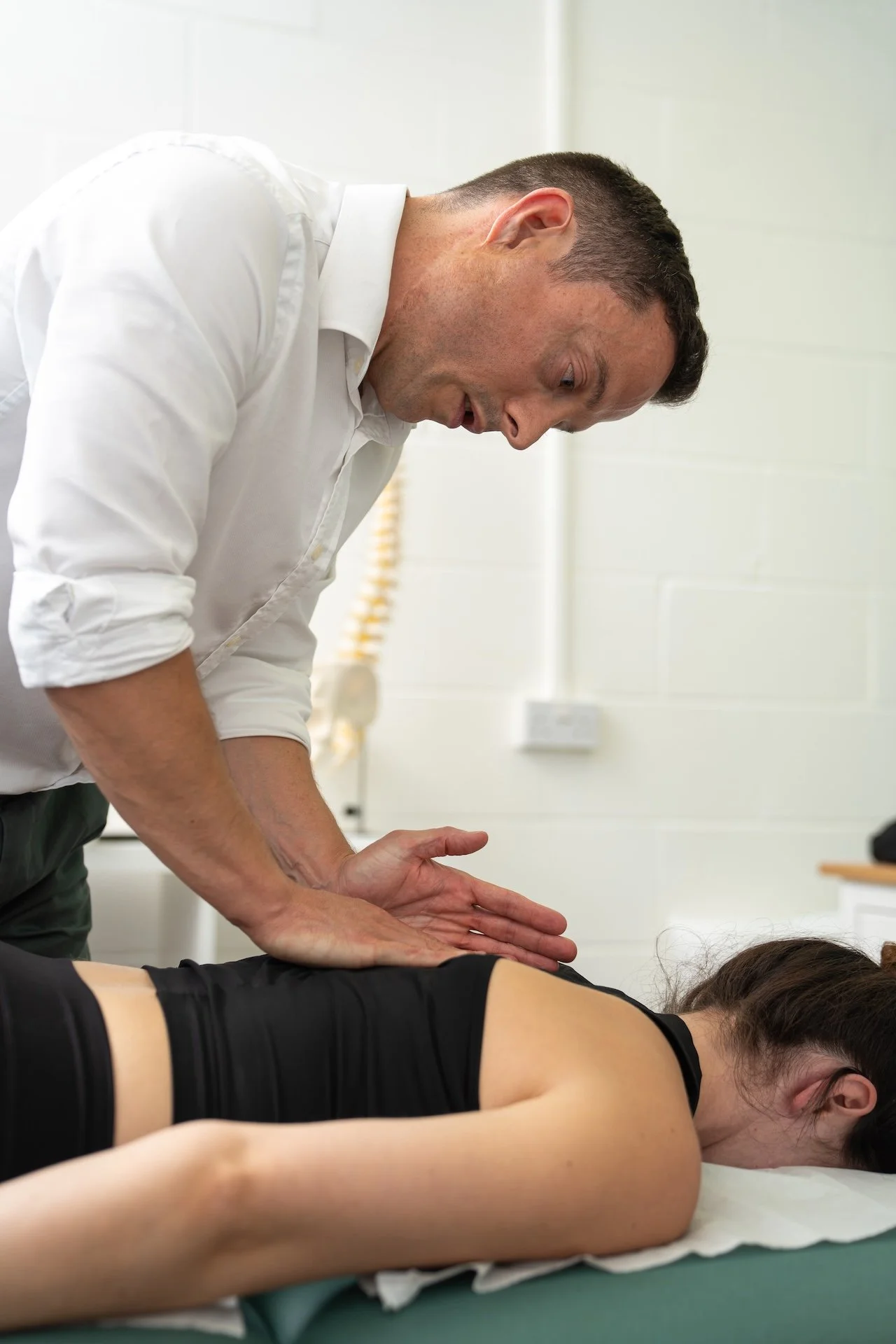
Many people have heard of osteopathy but aren’t entirely sure what an osteopath actually does.
Osteopathy is a form of healthcare that focuses on how the body moves and functions, particularly the muscles, joints and spine.
Osteopaths aim to identify areas of restriction or imbalance that may contribute to pain or reduced mobility.
A Whole-Body Approach to Health
One of the core principles of osteopathy is that the body functions as an integrated system.
Problems affecting one area of the body may sometimes be influenced by factors elsewhere, such as posture, movement habits or previous injuries.
For this reason, osteopaths often assess how the whole body is moving rather than focusing only on the site of pain.
Conditions Osteopaths Commonly Help With
Hands-On Treatment
Osteopathic treatment may involve a variety of manual techniques including:
• joint mobilisation
• soft tissue techniques
• stretching
• muscle energy techniques
These approaches aim to improve mobility, reduce tension and support the body's natural healing processes.
Advice, Rehabilitation and Prevention
In addition to hands-on treatment, osteopaths often provide advice on:
• posture
• movement habits
• exercises
• lifestyle factors
These elements can play an important role in supporting recovery and reducing the likelihood of recurring problems.
A Structured Approach To Recovery
Many musculoskeletal problems develop gradually over time.
For this reason, recovery may involve more than simply relieving symptoms. Treatment often focuses on improving function and addressing the factors contributing to the problem.
This approach can help support both short-term relief and longer-term resilience.
Considering Osteopathy?
If you are experiencing pain, stiffness or reduced mobility, an osteopathic consultation can help assess the underlying cause and determine the most appropriate steps for recovery.